Sake Tasting at Kyoto Insider Sake Experience
Kyoto is best known for its shrines, temples, geisha and bamboo forests. But it’s time for us to leave the nature and culture behind for something a little more sociable. We’ve enjoyed sampling Japan’s beloved rice wine since our arrival but it’s time to learn a little more about what we’re drinking with a guided tasting with Kyoto Insider Sake Experience. We travel to the south of Kyoto, to the celebrated sake-producing region of Fushimi.
Kyoto was the second stop on our long-awaited Japan trip. You can view all the rest of my Japan content here – and there’s a lot to share!
**This blog post may contain affiliate links. This means that if you go on to make a purchase or booking after clicking through one of my external links, then I may make a tiny bit of commission, at no extra cost to you!**
Kyoto’s Fushimi District
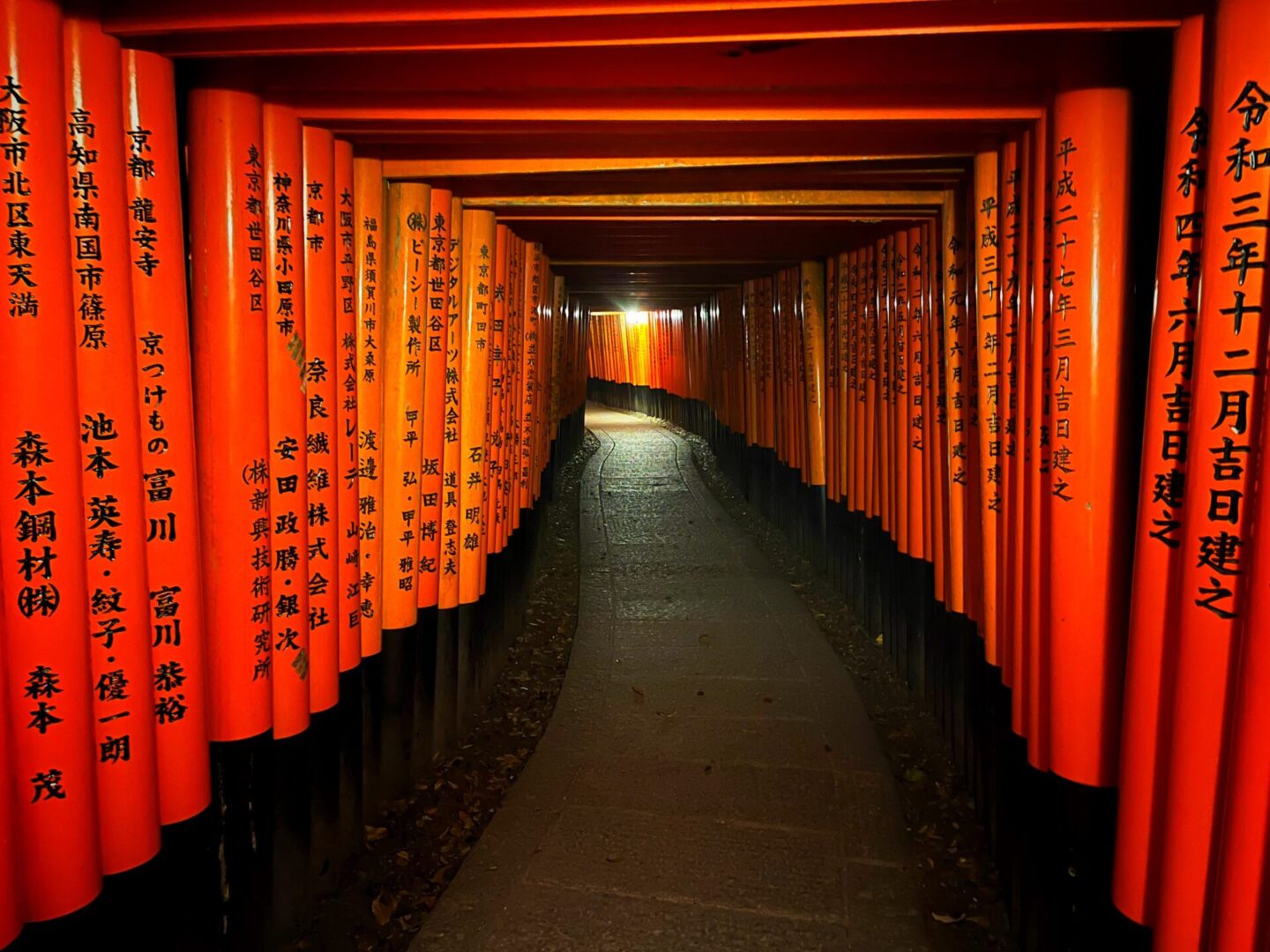
Fushimi is probably known best as the location of the popular Fushimi Inari Shrine, with its majestic trail of scarlet torii gates which wind their way up Mount Inari. However, Fushimi is also one of Japan’s highest producers of sake, thanks to the mineral-rich spring water which trickles down from the mountain. It’s unique geography and river transportation network meant that Fushimi became a hub for trade and shipping.

Sake making in Kyoto dates back to the Heian Period (794-1185), when imperial courts had their own brewers. These days there are still over 20 active sake breweries in the region, including Gekkeikan Brewery, one of the oldest sake breweries in the world. And more and more tourists – like us – are discovering there’s more to Fushimi than the shrine, thanks to the growing popularity of sake brewery tour and tastings.
If you’re interested in learning more about sake brewing methods you can also visit the Gekkeikan Okura Sake Museum
How to get to Fushimi Sake District from downtown Kyoto
We used the Karasuma line from Shijō Station to Momoyamagoryo-Mae Station, which was then a 10 minute walk from the Kyoto Insider Sake Experience location. This was the most convenient route from our hotel, the Hotel Vista Premio Kyoto Nagomitei in Nakagyo. If you are travelling from Kyoto Station, the Kintetsu-Kyoto line also goes direct to Momoyamagoryo-Mae Station. The Keihan main line connects Fushimi district with Fushimi Inari Shrine
From shrines to sake
Sake is a symbol of Japanese culture and tradition and it’s brewing is an art form, perfected and passed down through generations of brewers. Mr Fletche and I are keen to find out more.
There are plenty of options available if you want to expand your sake knowledge beyond simply pointing at the first “sake” option on the bar menu. We booked our Kyoto Insider Sake Experience via Get Your Guide, our go-to site for tour bookings.
After worrying about running late, we’re actually early, and the first of our group to arrive. It gives us time to settle down, pick the best spot and get to know our host. Kiyomi is a certified sake sommelier, and she has lived and worked internationally before settling on teaching absolute beginners like us about the craft of sake brewing.

The drink we know as “sake” is actually known as nihonshu (日本酒) in Japanese. In Japan, “sake” actually refers to any alcoholic beverage. Nihonshu is produced only in Japan
Before we start the serious business of sake sampling, we learn the basics. How it’s brewed, and what affects the flavours. Rice polishing. Koji mold. Multiple parallel fermentation (don’t ask me what it means). And importantly, how to read a sake bottle label and how to select our favourite with confidence.


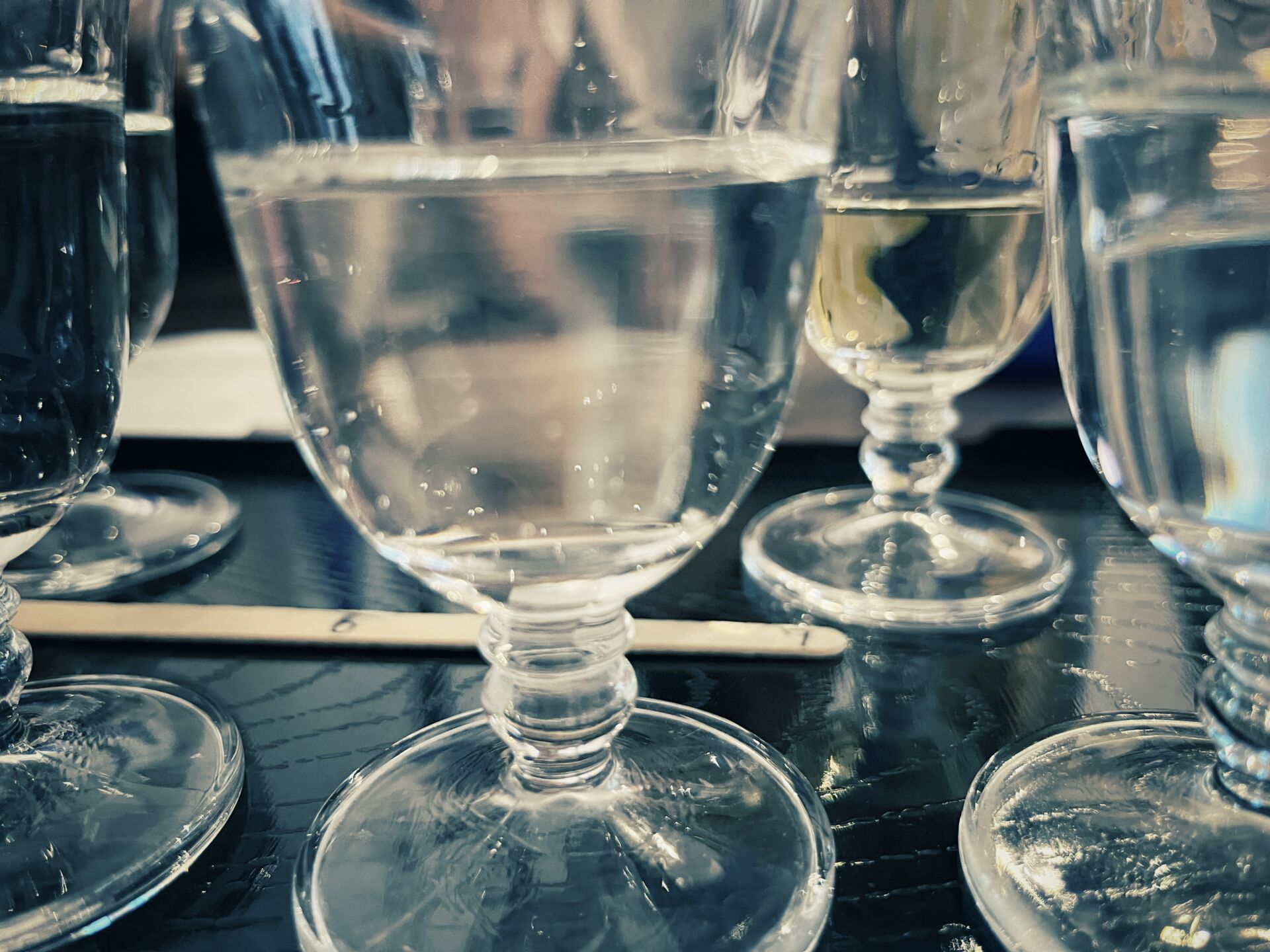
Sake starts to appear before us at an alarming rate. We are invited to observe each one’s clarity and it’s colour. To inhale the aroma. To hold it on our tongue, exploring the “mouthfeel”. And then to observe the aftertaste. Each sip reveals new complex layers. I find the first few largely taste the same but I nod and look thoughtful anyway when Kiyomi invites us to comment on the texture and flavours.
Our favourite though is the fruity Eikun Koto Sennen, a junmai-daiginjo sake made with the local Kyoto iwai rice. It’s a pure rice sake, with no distilled alcohol added. Available here if anyone wants to send A Brummie Home and Abroad a gift 😉
Disclaimer: Somewhere amongst all the paraphernalia we bought back from Japan is my scorecard, with details of the sake sampled, and my ratings. I have no idea where this is now. If I ever do find it, I’ll come back and update!
After our initial tasting took us through 7 – or was it 8? – different styles of sake, it was time for the food pairing. We discover how sake flavours change when paired with certain foods. Similar to wine, a light and crisp ginjo sake complements fish or chicken whilst a rich junmai pairs beautifully with red meats and vegetables. One sake that I’d initially turned my nose up at suddenly became a perfect dessert when paired with smoky cheese. Mr Fletche discovers that the stringy bit of the edamame bean is best left uneaten.

It’s not the first time we’ve explored a city through the bottom of a shot glass! You can read more about our vodka tasting experience in Gdańsk here! Or how about whisky tasting in Edinburgh?
Eager to find more sake, we head for Kizakura Kappa Country. Only to find that it’s closed. Despite what Google tells us. So instead we head, with a slight sake fuzz and in a light drizzle, to Fushimi Inari Shrine.
Sake Tasting with Kyoto Insider Sake Experience: Final thoughts
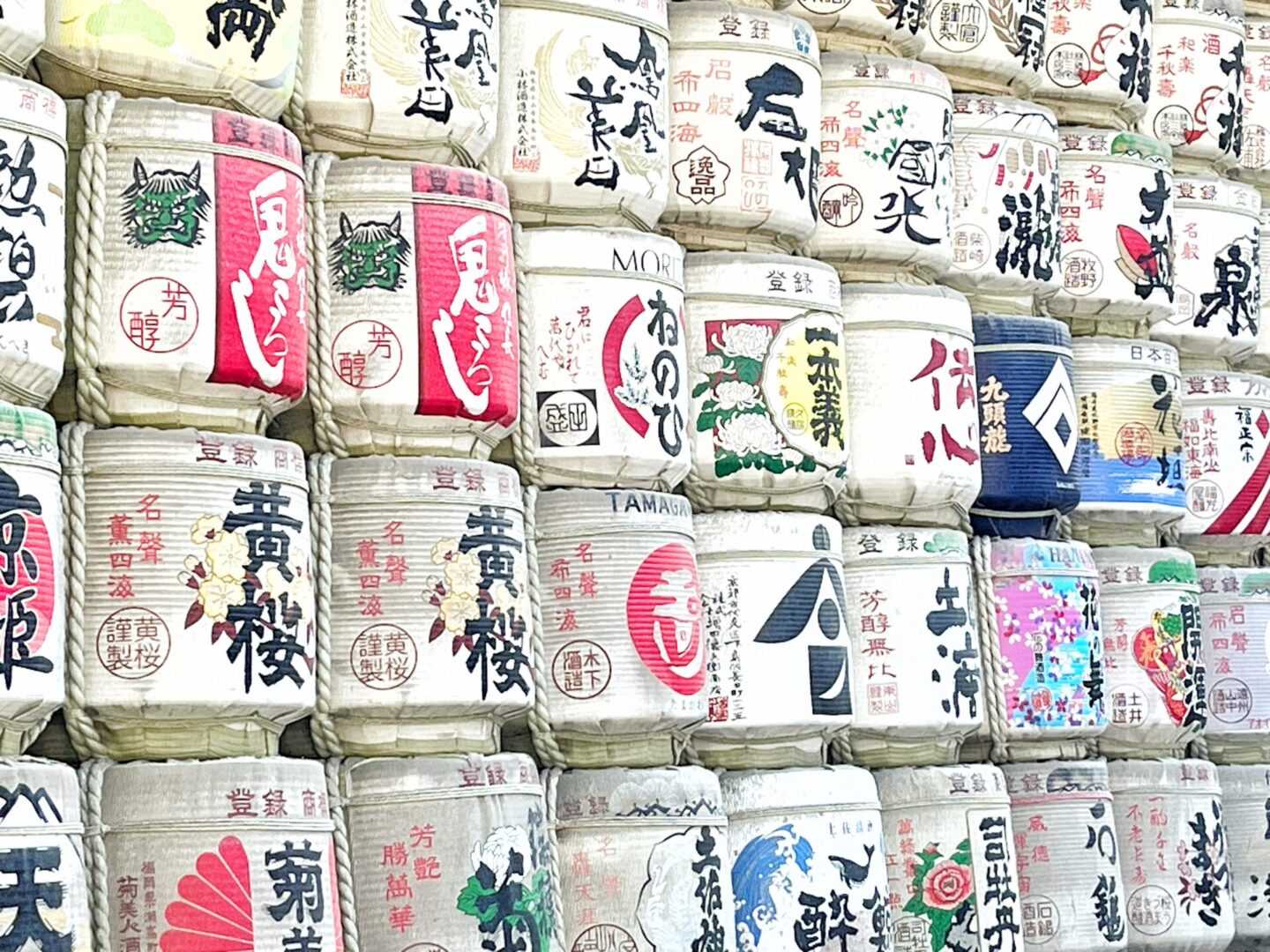
The Kyoto Insider Sake Experience was a fantastic whistlestop tour of Japan’s traditional drink. They also run an advanced sake tasting experience for those that want a deeper dive into the world of sake. You can purchase sake direct from them after the tasting; they will even deliver to your hotel. We however picked up a bottle at Duty Free, a beautiful souvenir of our trip and a new favourite tipple. Kanpai!
I try my hardest to keep the information in this travel guide up to date; however if you notice anything has changed please let me know! Happy travels, Emmalene