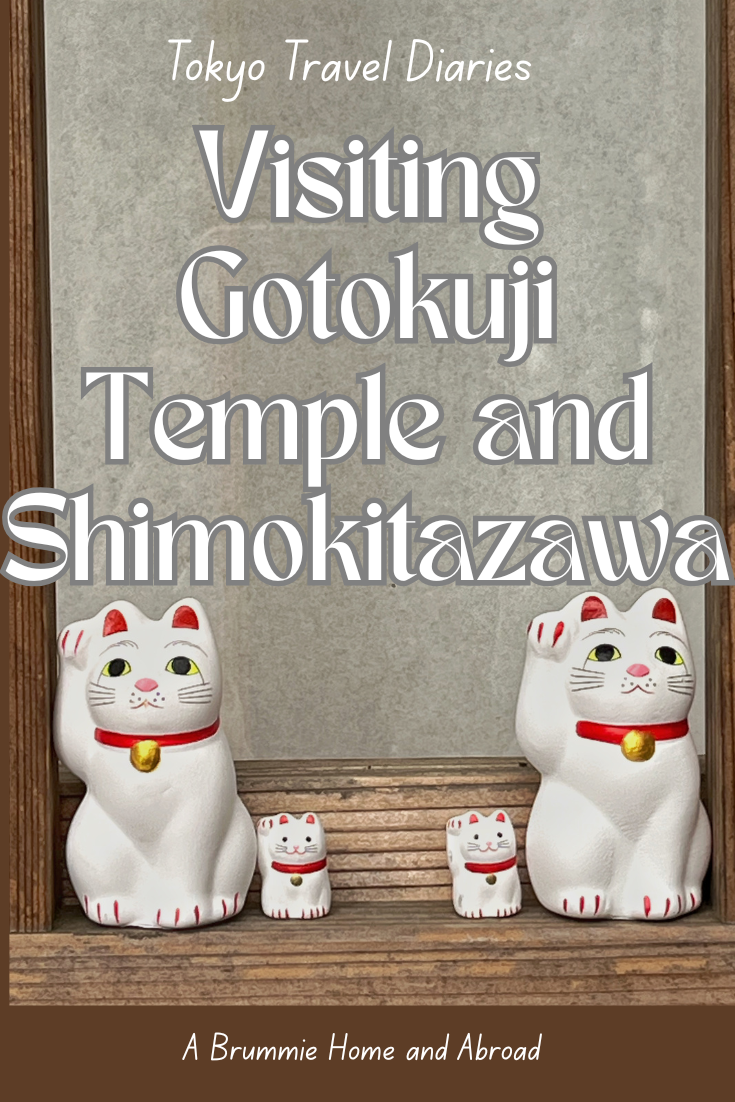
Tokyo Travel Diaries: Gotokuji and Shimokitazawa – Lucky Cats and Vintage Shopping
After a busy first full day in Tokyo, packed with some of the city’s big highlights – Harajuku, Shibuya and Asakusa – it’s time to explore a different side of the city. This morning we’re headed to Setagaya, where we can find hip Shimokitazawa and Gotokuji Temple, famous for its lucky cats. And tonight, a more modern experience as we have tickets to visit teamLab Borderless at Azabudai Hills. We load up our Suica Card to cover today’s travel, grab another early coffee and pastry from the WPU Hotel’s lobby and head out for Day 2 of our Tokyo trip.
Tokyo was the first stop on our long-awaited Japan trip. You can view all the rest of my Japan content here – and there’s a lot to share!
**This blog post may contain affiliate links. This means that if you go on to make a purchase or booking after clicking through one of my external links, then I may make a tiny bit of commission, at no extra cost to you!**
Tokyo Day 2 in a nutshell
Cats. Gotokuji Temple, birthplace of the lucky beckoning cat. Browsing the vintage and thrift stores in Shimokitazawa. Our First 7/11 experience. Digital rabbits at teamLab Borderless which gave us nightmares . Blackpool Tower
Gotokuji: An Enchanting Temple in Tokyo for Lucky Cat Lovers
Shinjuku Station is getting a little easier to navigate with every visit. We’re back on the Odakyu line that we took yesterday; this time we ride it 9 stops to Gotokuji Station. There’s a lucky cat to greet us at the station, a taster of what’s to come.
Gotokuji temple is located in a quiet neighbourhood in Western Tokyo. It’s a 15 minute walk from the station, along a street lined with small local shops and cafes. We arrive at around 9:30am; most local shops and vendors don’t tend to open before 10am so it’s still sleepy. A far cry from the neon lights and chaos of Shinjuku, this feels a lot more like “real” Tokyo.
Look out for the lucky cat train (Kofuku no Maneki Neko Densha (幸福の招き猫電車)) that runs on the Tokyu-Setagaya Line to/from Miyanosaka Station. We didn’t take the train but it did pass us as we walked from the station to the temple!
Gotokuji Temple
Gotokuji Temple is said to be the birthplace of the beckoning cat statue, or manekineko. According to legend, a temple cat called Tama saved the life of Ii Naotaka, a powerful samurai Lord by beckoning him to shelter during a heavy thunderstorm. To show gratitude, Ii Naotaka bestowed prosperity on the temple. A bronze manekineko statue was created to commemorate Tama after the cat’s death.
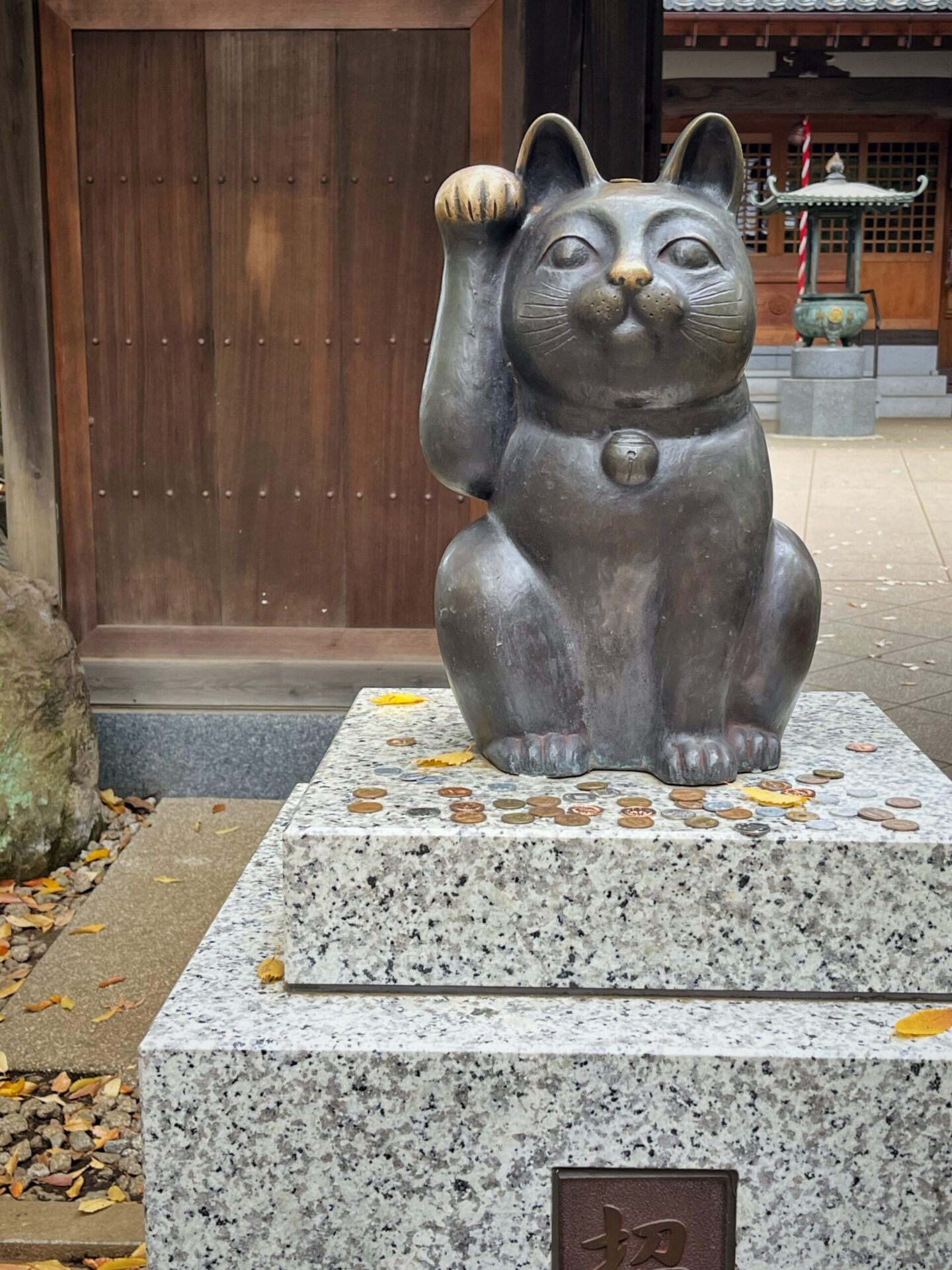
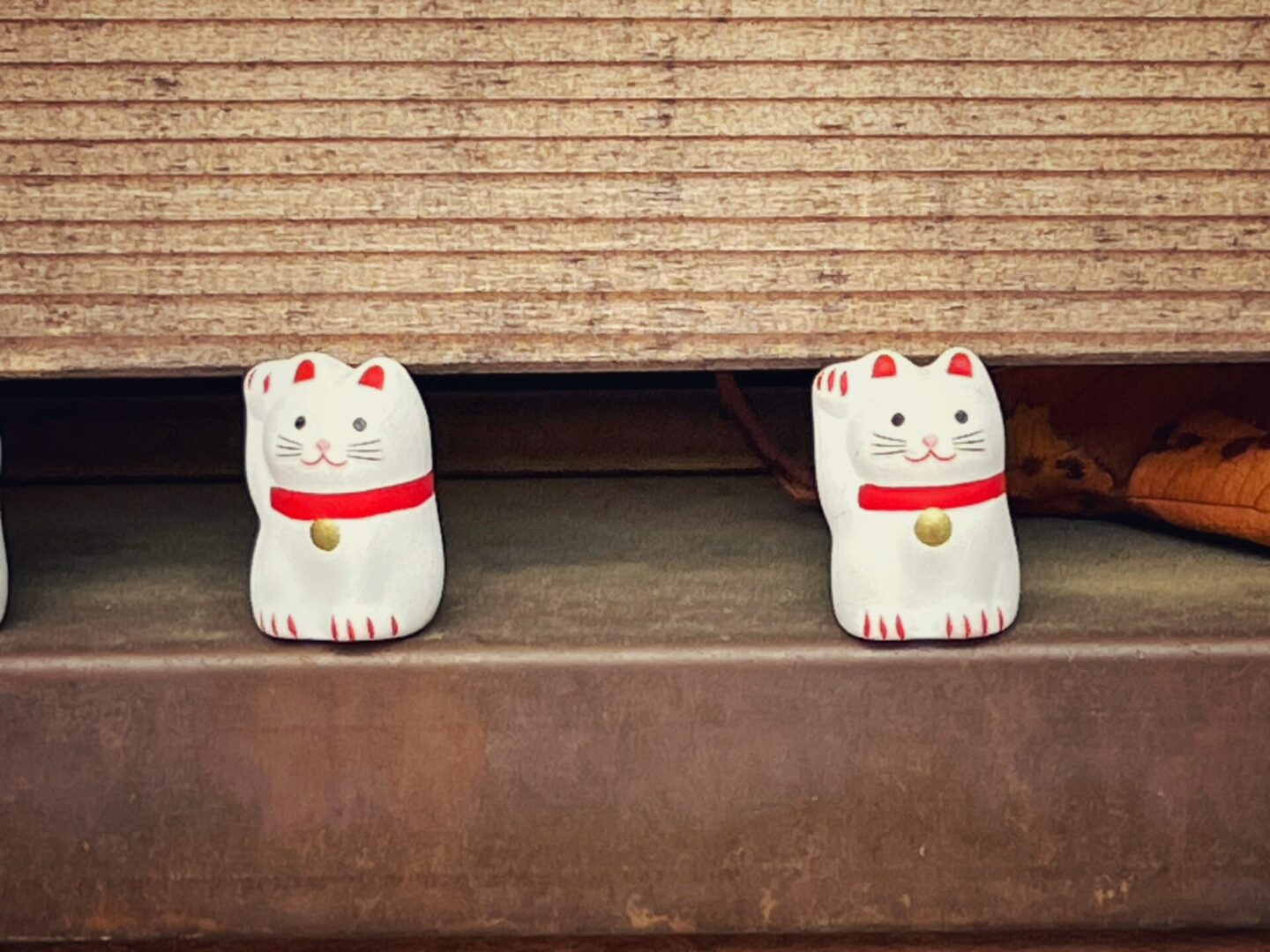
In the temple grounds, hundreds of ceramic lucky cats greet us with raised paws. Their paws are empty to show that being open and grateful creates a fortunate life. A raised right paw is thought to bring wealth and prosperity; a raised left paw is thought to bring people or custom, and is therefore often found in businesses and restaurants

As well as the lucky cats, Gotokuji has several buildings demonstrating Buddhist architecture; the oldest (Butsu–den) was built in 1677. There’s also a pretty three-storey pagoda, Sanju-no-to. The autumn leaves here are quite muted compared to the colours we’ll see later on our trip. There are vending machines (decorated with cats) and public toilets (which arent).
Gotokuji Temple is open from 6am until 5pm. The temple office/shop is open from 8am-3pm. It’s free to enter, but you can make a donation or purchase one of the lucky cat souvenirs or a cat-themed ema (on which you can write prayers and wishes)
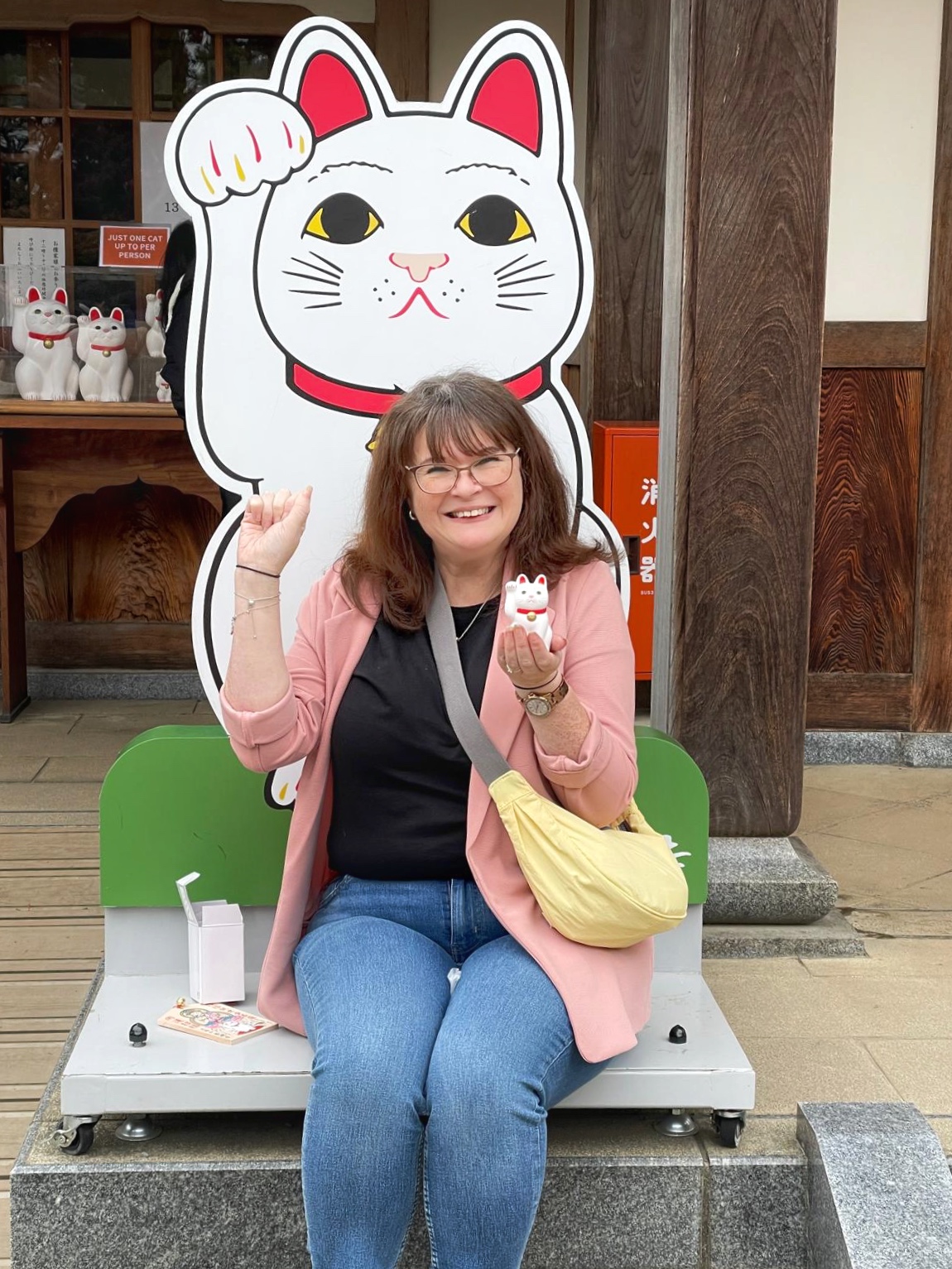
Of course, I want my own lucky cat as a souvenir. And so does everyone else. We can either place our order by card at the machine, and then queue for collection (like a cat Argos), or pay with cash at the counter. We join the queue for the machine, only to discover most people in the queue in front of us are incapable of using it. On this occasion self-service was definitely not the quickest. But it’s worth the wait so I can pose like this.
On our way back to the station we take a break at the cosy Rarasand Setagaya Art Gallery and Cafe. It’s the perfect spot for a coffee and a sit-down. We also get the chance to try one of their manineko-shaped Shofuku-yaki, a Japanses sweet treat filled with a sweet red bean paste.
Shimokitazawa: the bohemian neighbourhood of Tokyo
From Gotokuji Temple, we hop back onto the train. It’s just 4 mins to Shimokitazawa Station on the Odakyu Line. Shimokitazawa is a trendy bohemian neighbourhood full of thrift and vintage shops, quirky cafes, indie coffee shops, live music venues, vinyl record stores, and artist studios. It’s a very different vibe from Shibuya and Shinjuku. There are no skyscrapers or mega department stores, no flashing lights or blaring jingles.
Like Gotokuji, many stores don’t open late-morning – some were just preparing to open when we arrived at around 11:30am. I’d recommend visiting later in the day, and staying for the laid-back nightlife – something we will definitely plan to do next time.
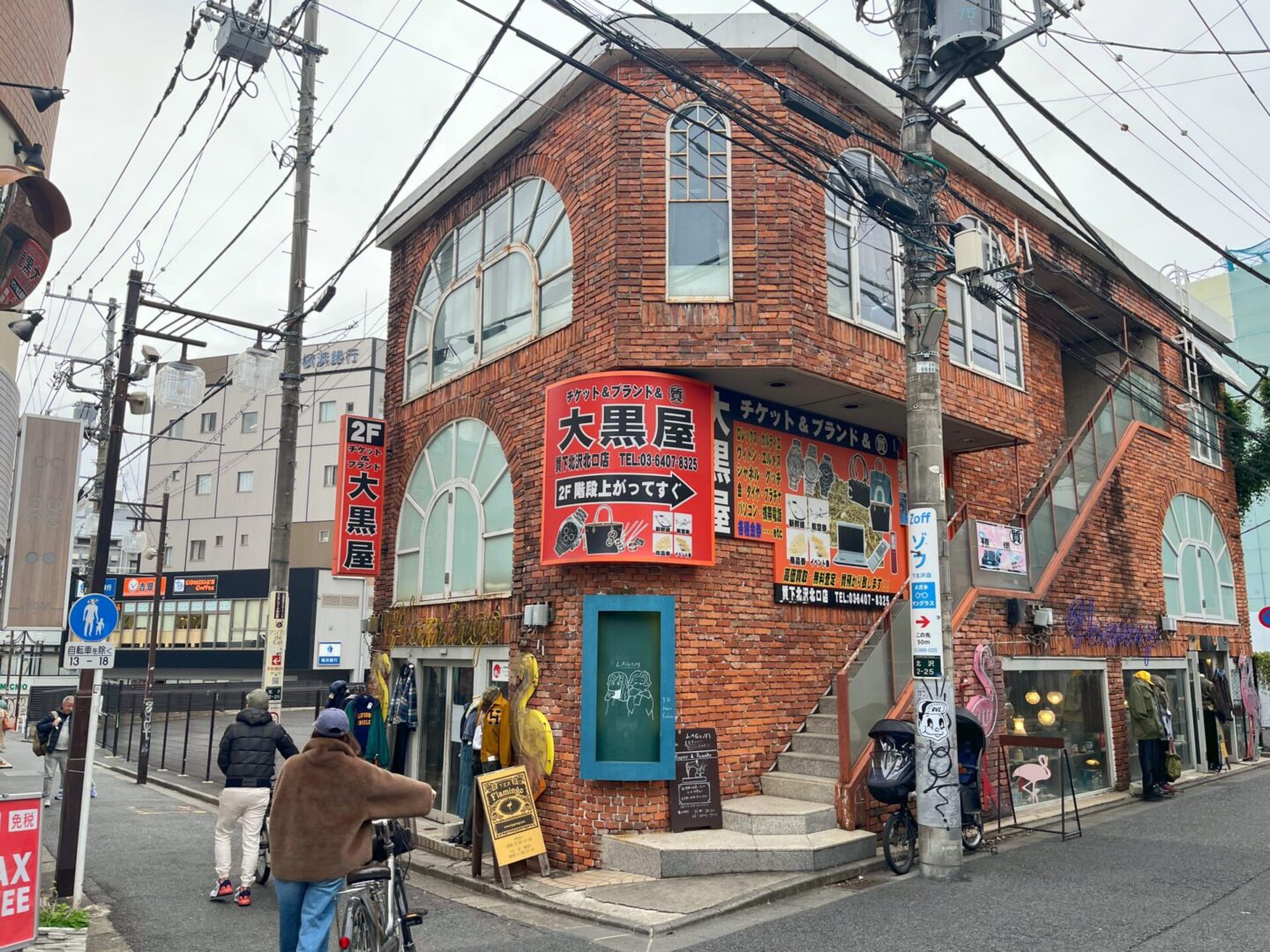
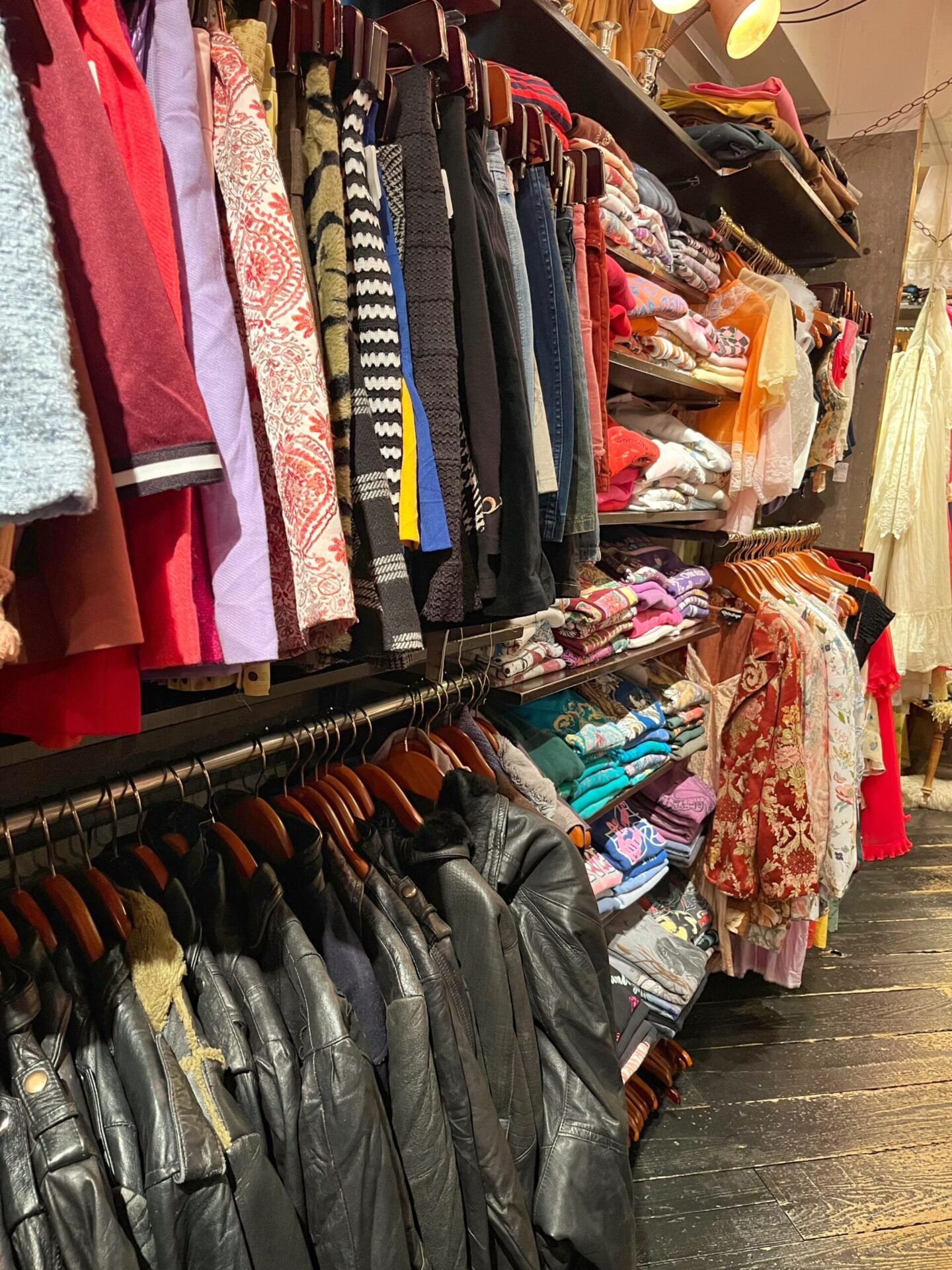
Some of the best thrift & vintage stores in Shimokitazawa: Dylan, 2nd Storey, New York Joe Exchange, Bears’, Treasure Factory Style, Toyo, Flamingo, Chicago, Ocean Blvd, Stick Out, Soma. My favourite was Little Trip to Heaven. If you like cute stickers – and who doesn’t – then make sure you pay a visit to B Side Label.
Looking for somewhere to stop for a light lunch, we stop at Mikan Shimokita. This covered arcade hosts a variety of restaurants with international cuisine. Just one day in Japan and we’re already cheating on it’s cuisine by eating at Vietnam Chop. We have pho before we’ve even had ramen.
After another post-lunch stroll around the shops of Shimokitazawa we head back by train to Shinjuku. Tonight, we have tickets to teamLab Borderless.
teamLab Borderless and our first 7/11
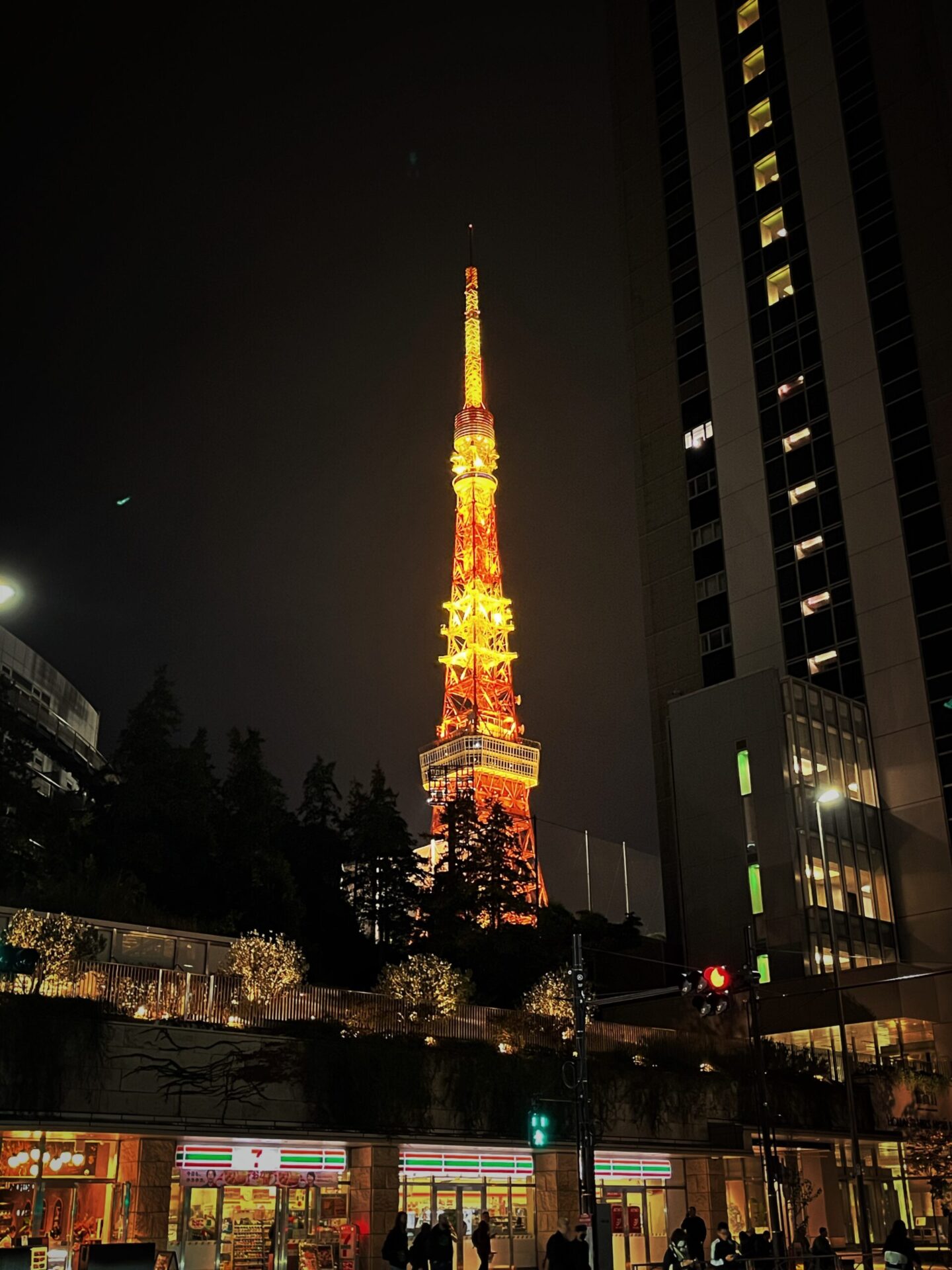
If all the Facebook groups and Instagram reels were to be believed, 100% of our meals in Tokyo would be purchased from the big konbini trifecta. That’s 7/11, Family Mart and Lawson to the uninitiated. But we’ve somehow made it 48 hours in Japan without setting foot in any of the ubiquitous convenience stores. Oh yes, we’d seen plenty of them. But with time to kill before our 6:30pm timeslot at teamLab Borderless we’re drawn to the dazzling bright lights and swooshing doors of 7/11. This one at Azabudai Hills even has a fancy tower on it’s roof.
One onigiri, one chicken escalope and one tuna sandwich-minus-crusts later and we’re ready to immerse ourselves in digital art.
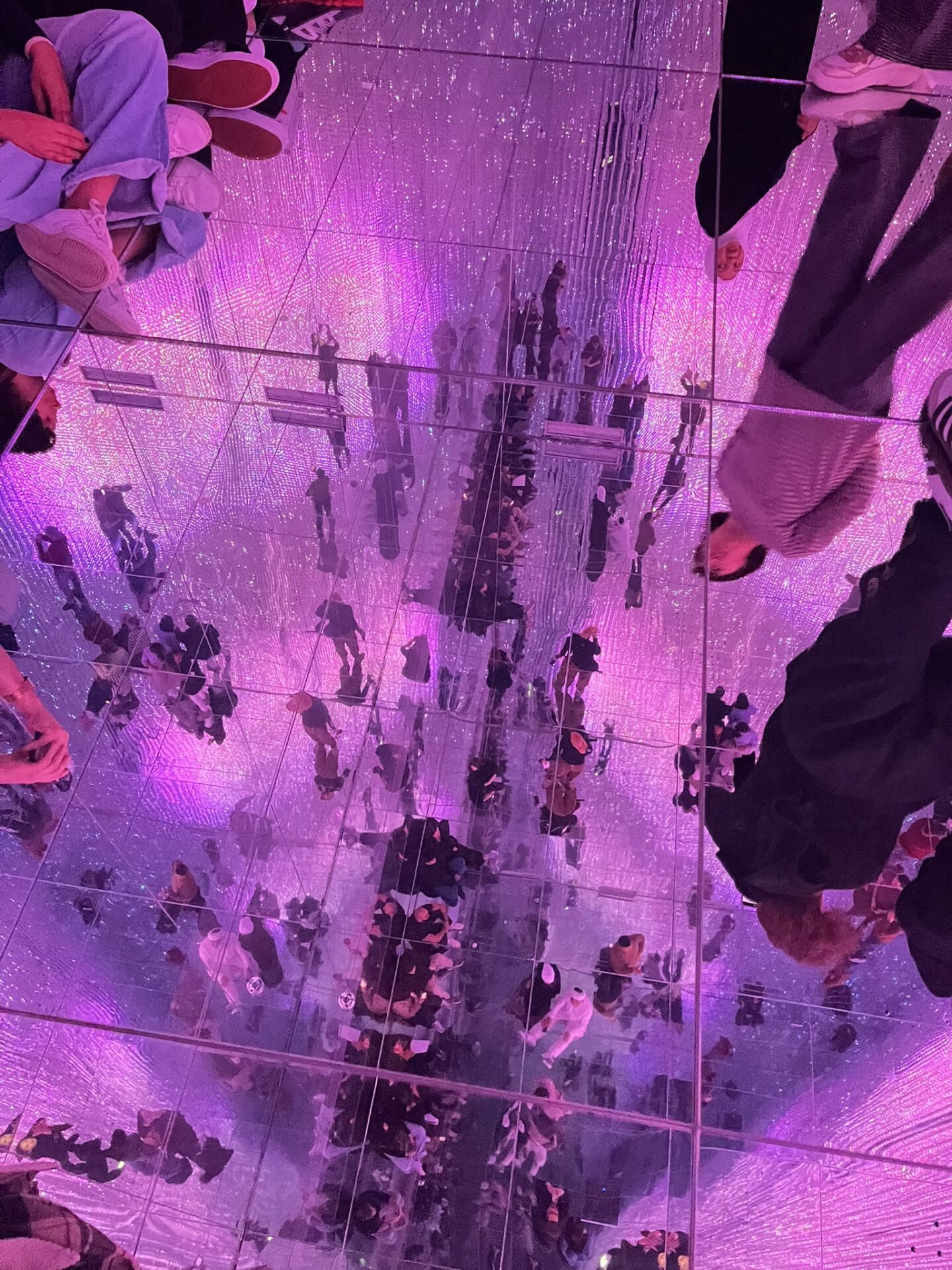
There’s a separate blog post on the way all about our teamLab Borderless experience, and whether it lives up to the hype!
You can buy tickets for teamLab Borderless direct or via Klook


If you need mobile data on the go – and believe me, you WILL need it in Japan with all the Google Maps/Translate usage – you can purchase an e-sim through Airalo. If you’d like to use my referral code EMMALE5544 you’ll get £2.50 off your first purchase!
Post teamLab we take a stroll to the foot of Tokyo Tower, the city’s orange and white illuminated answer to Blackpool Tower. I take a quick look online for admission tickets; there are tickets available for that evening but the timed entry wasn’t for another hour or so. Instead we head back to Kamiyacho Station and a return to Shinjuku. There’s time for a quick drink in the craft beer bar below our hotel before we call it a night. Just 17,500 steps today, compared to yesterday’s mammoth 22,500.
Looking forward to Day 3? Here’s what’s coming up: Mount Fuji, a long (long) bus journey and an evening return to Shibuya
I try my hardest to keep the information in this travel guide up to date; however if you notice anything has changed please let me know! Happy travels, Emmalene