
13 Of The Best Things To See and Do In Lisbon
Whether your aim is to travel on a vintage yellow tram, visit jaw-dropping viewpoints, catch a little local culture or eat your body-weight in pasteis de nata, there are tons of exciting things to do in Lisbon. It’s a city with a fascinating and tragic history, culturally rich and a great foodie destination. Sadly, the weather for our March city break was pretty awful, yet we had glimpses of a Lisbon that we knew we could love. So we didn’t get to do ALL of the best things to see and do in Lisbon – but rest assured they are firmly on the itinerary for next time!
(And next time, dear readers, will be in September! Yes, I’m so dedicated to experiencing all of the best things to see and do in Lisbon that we’re making a swift return!)
**This blog post may contain affiliate links. This means that if you go on to make a purchase or booking after clicking through one of my external links, then I may make a tiny bit of commission, at no extra cost to you!**
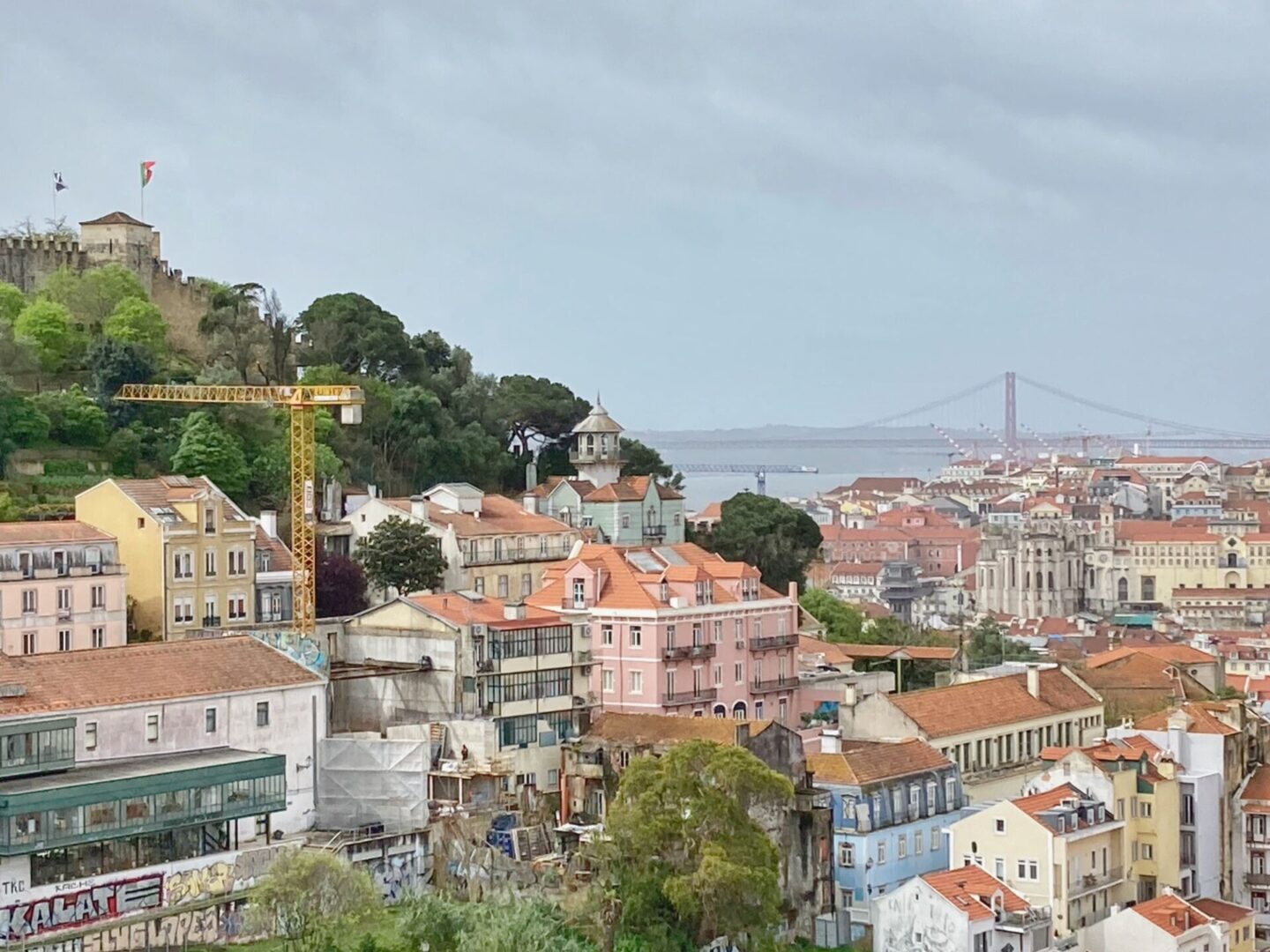
1. Ride a tram
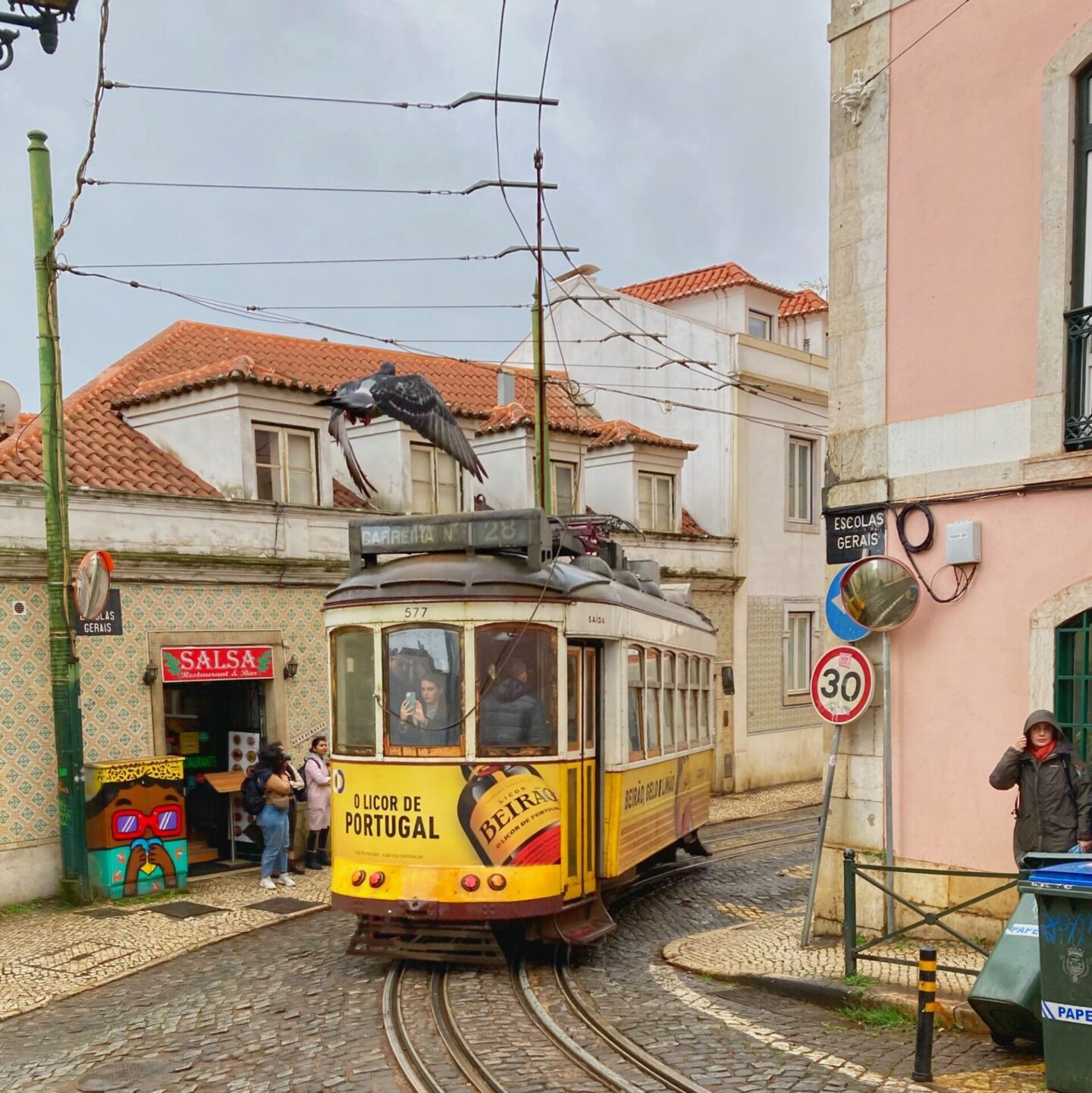
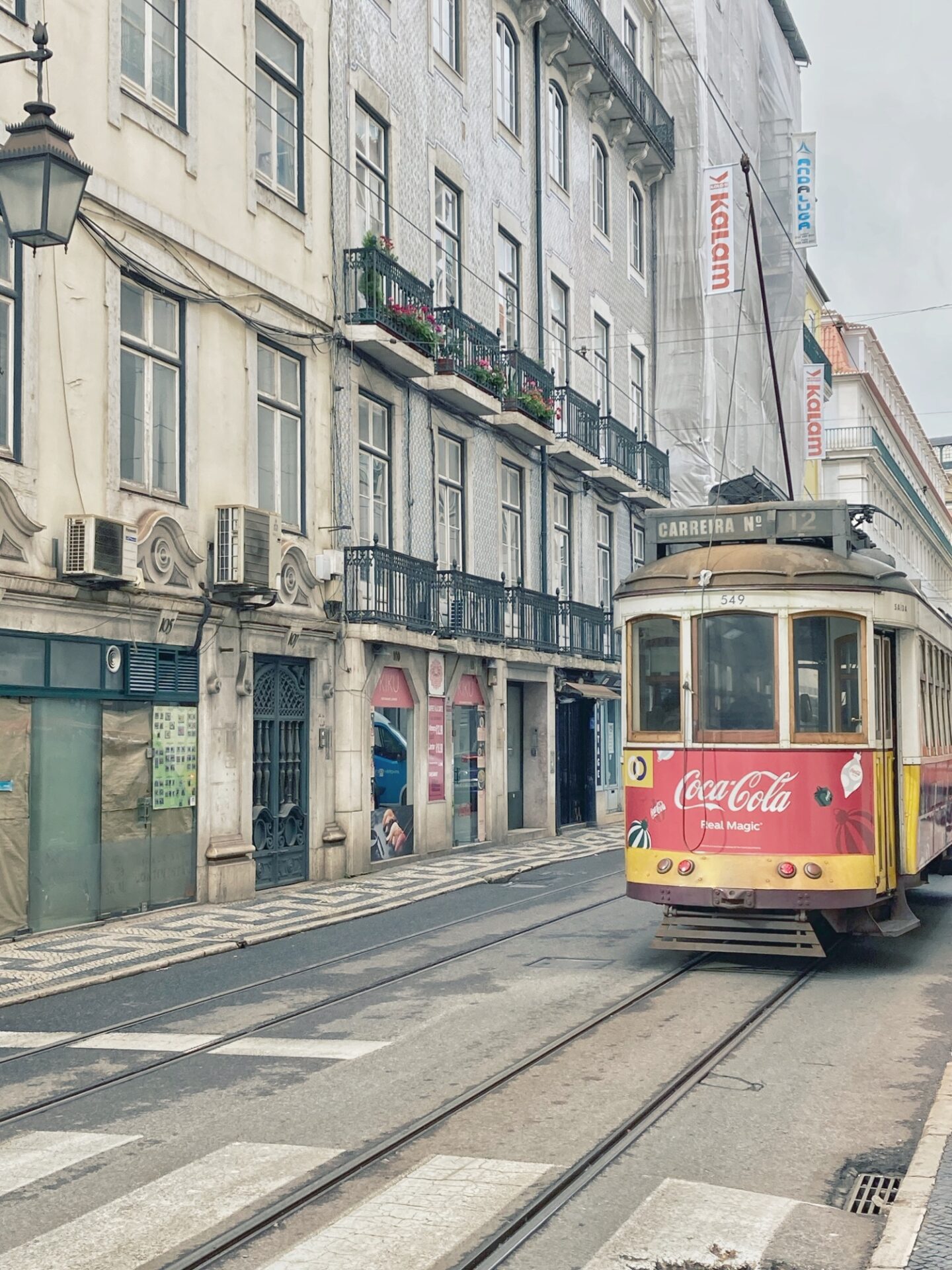
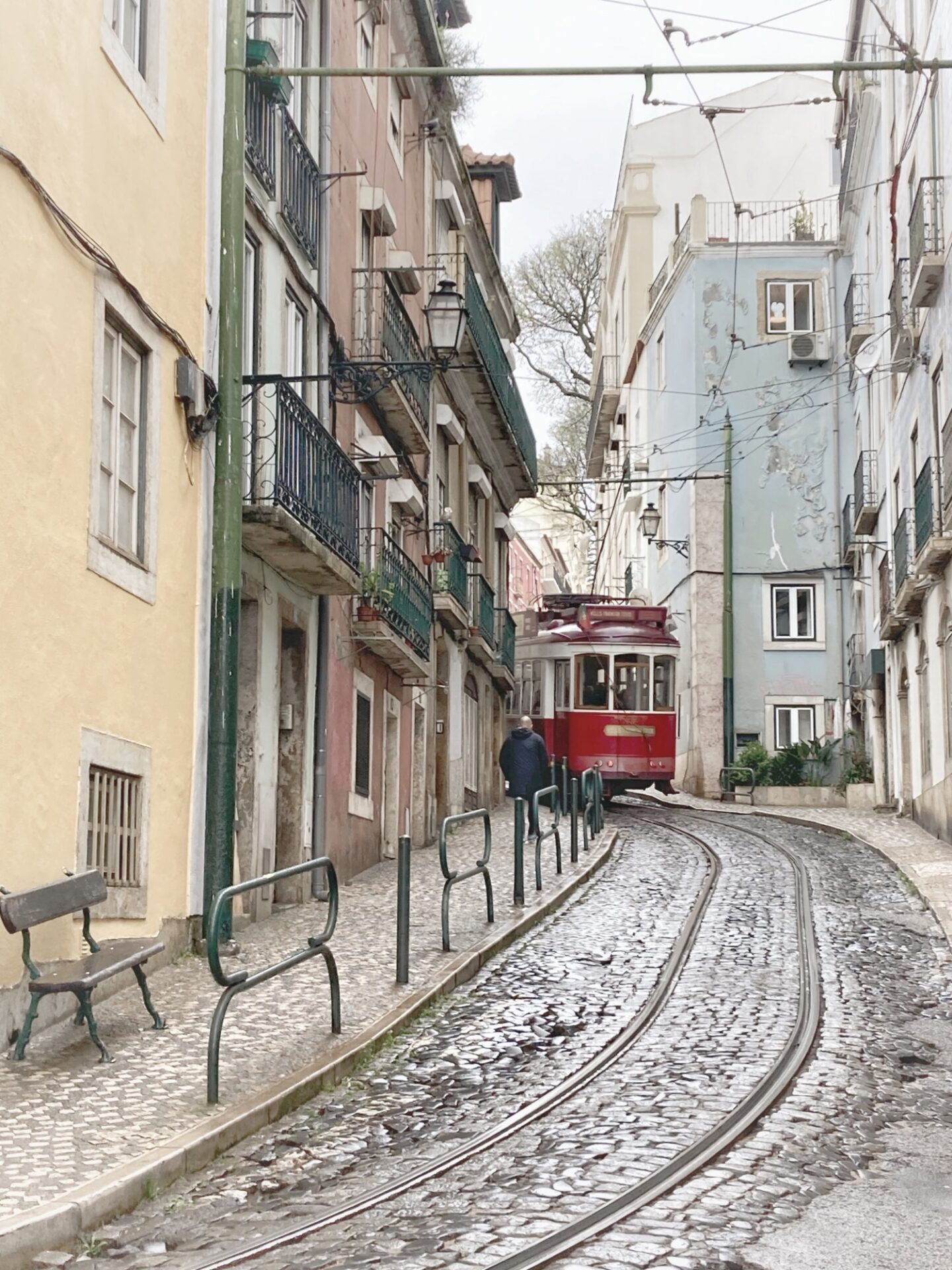
Lisbon’s trams are an iconic feature of the city. Used by locals and tourists alike, they are a fun way to travel – if not the most comfortable. The famous Tram #28 is regularly featured on lists of “best things to see and do in Lisbon”. And also, lists of “things to avoid in Lisbon”. It winds through the heart of the city, passing many of the city’s top attractions. It’s famously crowded and a magnet for pickpockets. But ride the tram early in the morning or late in the evening – and keep an eye on your belongings – and it’s a fun way to travel around the city. It’s not a circular route, so you’ll have to ride it back to the starting point or walk to your next destination. Tram #12 is a quieter alternative to Tram 28, following a circular route through the Baixa and Alfama districts.
We picked up Tram #28 one evening at Praça Luís de Camões, spontaneously taking it all the way to the end of the line at Martim Moniz. The route winds through Baixa, Alfama and Graça, past Praça do Comércio, Sé de Lisboa, Miradouro das Portas da Sol and Mosteiro de São Vicente de Fora. Instead of retracing our steps on the tram, we caught the Green Line (Verde) metro at Martim Moniz back downtown.
Tram journeys are currently €3,10 if purchased on board, or €1,80 with a pre-purchased ticket. If using the “Zapping” option on the Navegante card, each journey is €1,61. All public transport journeys are free with the Lisboa Card.
You can read more about the Lisboa Card – and if it saved us any money – here!

2. Visit Convento do Carmo
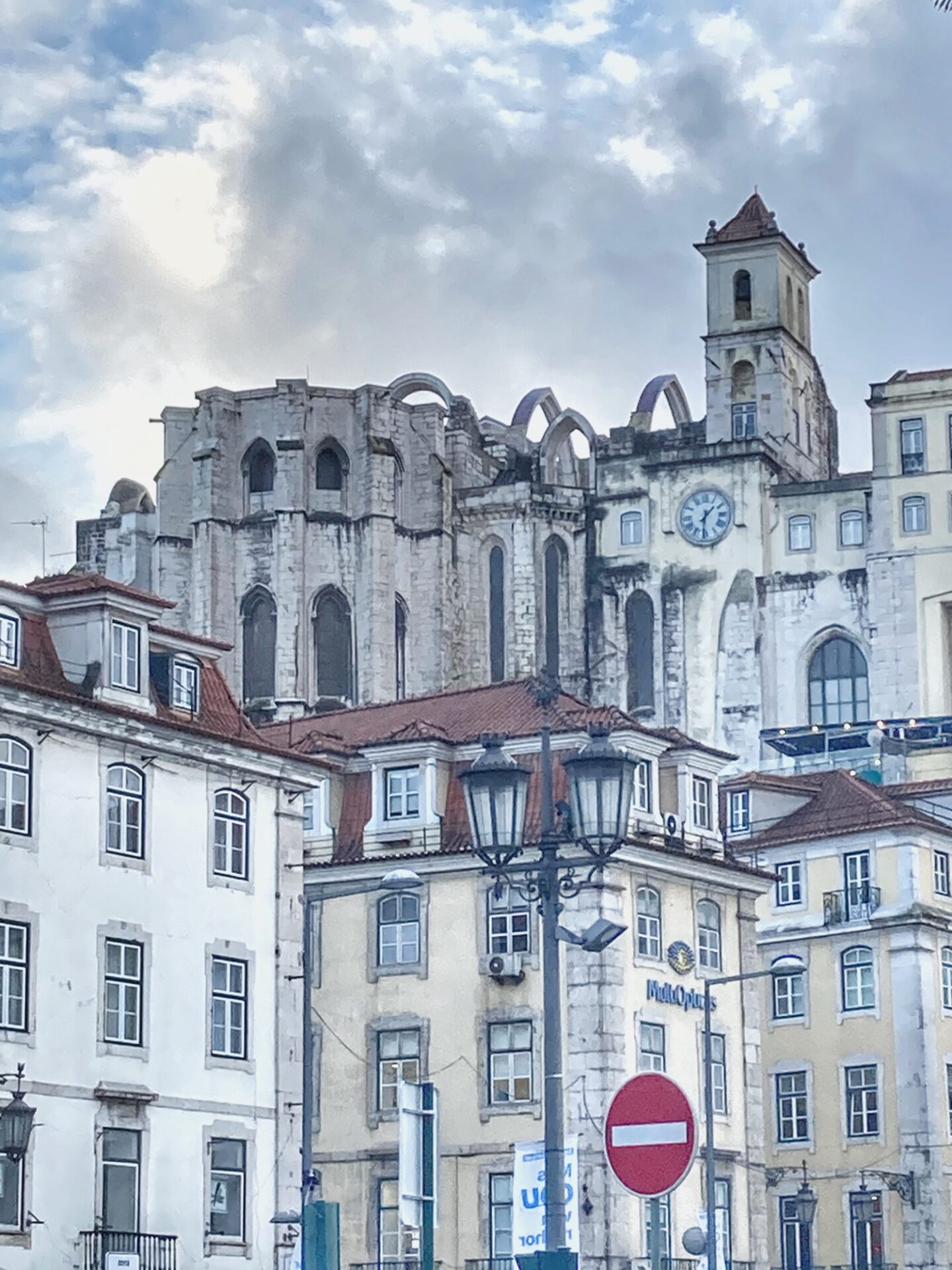
In 1755 a great earthquake devastated Lisbon. You’ll hear a LOT about this when you visit Lisbon. The haunting ruins of Igreja do Carmo are a memorial to this tragic day. It’s right next to the Santa Justa Elevator exit/entrance on Largo de Carmo, or you can take the green or blue metro line to Baixa/Chiado.
It was once Lisbon’s most important church. Following the earthquake and subsequent fires the roof collapsed, killing hundreds of devotees gathered for All Saints Day. The cluster of ruins remain, beautiful Gothic arches reaching up towards the roofless nave. The church also features a small archaeological museum dedicated to Portuguese history. It includes the ornate tomb of King Ferdinand I and a couple of gruesome 16th century mummies. Admission to the convent and museum is €7.00, or €5,00 with the Lisboa Card.
3. Learn about tiles at the Museu Nacional do Azulejo
Housed in a 16th century convent, the National Tile Museum delves into the rich legacy of the azulejo tiles, found all over Portugal. Every inch of the museum is ornately decorated. It’s piece de resistance is a 75ft long panel, made of more than 1300 tiles depicting Lisbon as it existed before the earthquake.
The best way to get to the National Tile Museum is by bus; the journey takes about 15 minutes from Baixa. The National Tile Museum is free to enter with the Lisboa Card; general admission is €8.00. You can pre-book your tickets here – https://gyg.me/Wi0rnMZo. Make sure you check current opening times and last admission – a rookie error that thwarted our visit.
Want to find more azulejo? Lisbon’s metro stations are a treasure trove of beautiful tiles depicting scenes of Portugese history and culture. If you have a Lisboa Card, it’s free to travel the metro and hop between the stations to admire their azulejo. Some of the best examples are Avenida, Parque, and Restauradores stations (Blue Line); Campo Grande, Martim Moniz, and Rossio stations on the Green Line; and Olaias and Oriente stations on the Red Line.
If you want another quirky museum experience, how about Museu Nacional dos Coches – the National Coach Museum? It’s housed in an old riding school in Belém and is home to several ornate antique coaches. Admission is free with a Lisboa Card, or €8 without.
4. Take an uphill shortcut
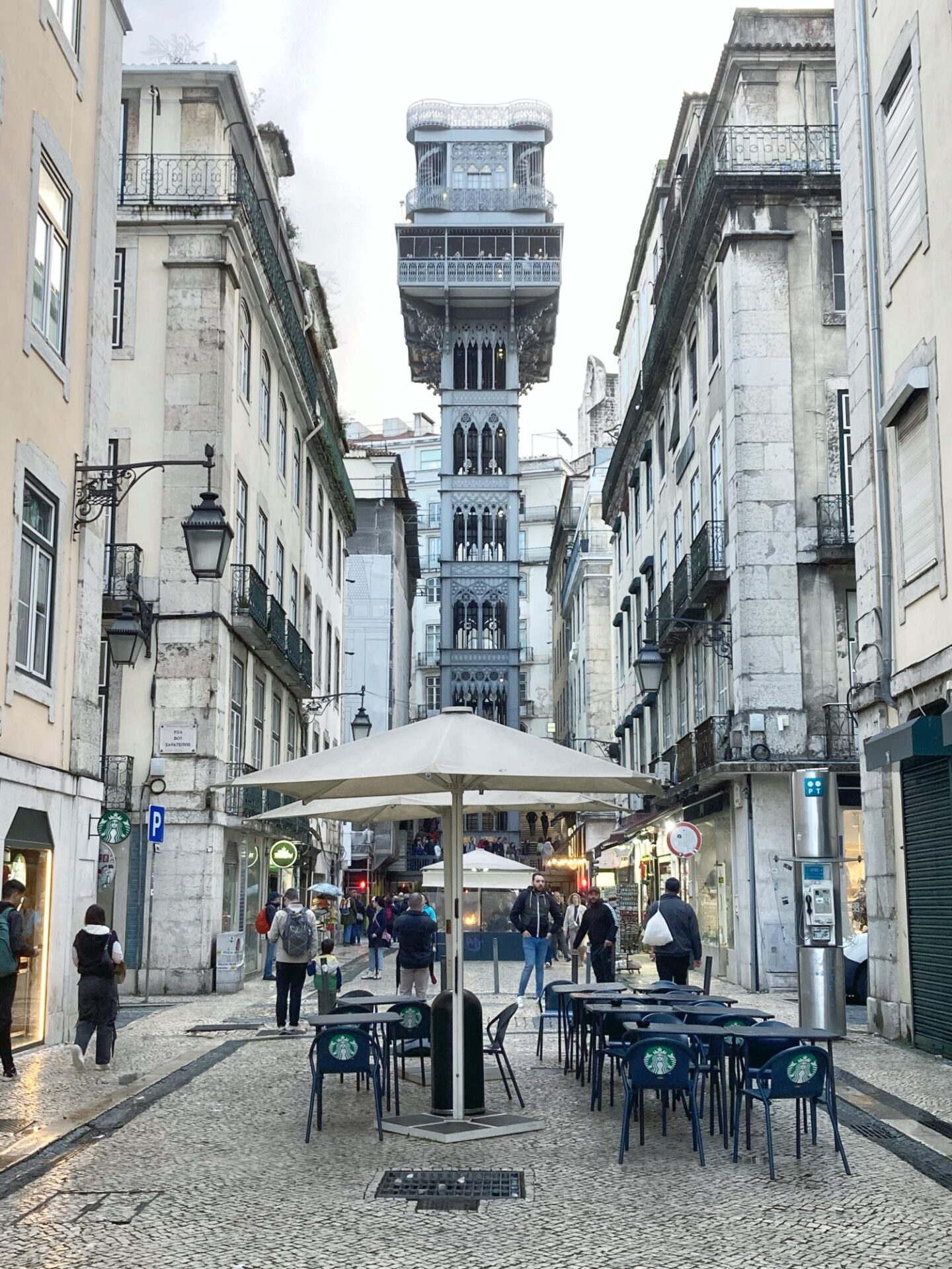
Hop on the Elevator da Glória from Praça dos Restauradores, Baixa and in just three minutes you’ll be at one of the city’s most beautiful viewpoints, Miradouro de Sao Pedro de Alcantara, Bairro Alto. It runs every 12 minutes from 7:15am – 11:55pm on weekdays. Or located in the Santa Caterina neighbourhood, the Bica Funicular is used by tourists and locals alike to travel between the Cais do Sodre waterfront district to Largo do Calhariz, Bairro Alto. It runs between 7am and 9pm. We took a ride on Elevador Do Lavra (even though it took us in the opposite direction to where we were headed).
Another one of those “must-see”/”skip-it” sights is the Elevador de Santa Justa. Built to connect Baixa and Bairro Alto, there are often incredibly long lines to ride to the top. If you’re already in the Bairro Alto neighbourhood, you can access the same views from the passageway at the side of Carmo Convent. The lift itself is an intricate neo-Gothic masterpiece designed by Raoul Mesnier du Ponsard, a student of Gustave Eiffel. When we visited in March, the hours of operation were 10:01 until 18:53; it operates later during the summer months
Journeys on the Bica, Glória and Lavra are currently €4,10 (return trip) and the Santa Justa Lift is €6,00 (return trip) if purchased on board. Journeys are €1,80 with a pre-purchased ticket. If using the “Zapping” option on the Navegante card, each journey is €1,61. All public transport journeys are free with the Lisboa Card.
5. Explore the district of Belém
The Jerónimos Monastery is a UNESCO World Heritage site located in Belém. During the Age of Discovery, the monastery served as a place of spiritual protection for sailors. Restoration began on the original Ermido do Restelo chapel in 1502 to celebrate the return of Portugese explorer Vasco de Gama from India. Now, his tomb lies inside The Church of Santa Maria, and is one of the most popular attractions in Lisbon. It is one of the only buildings to survive the 1755 earthquake that devastated much of Lisbon.
Pre-book your Jeronimos Monastery Entry Ticket here: https://gyg.me/iynYVNoq (from £10.27pp) Last admission is 5:30pm. Entrance is free with the Lisboa Card
Whilst you’re in Belem, visit the Torre de Belém located on the banks of the River Tagus. It was originally built in 1515 as a fortress to protect Lisbon’s harbour, and served as the starting point of many of Portuguese voyages. It is built in the Manueline style with lots of balconies, arched windows and domes. Narrow winding stairs lead to a panoramic viewpoint. There can be long queues to visit both the Monastery and Torre de Belém; you may prefer to skip the inside to take some spectacular photos with the tower as the focus.
Pre-book your Belém Tower Entry Ticket here: https://gyg.me/CpZq4T4n (£6.85pp). Last admission is 5pm. Entrance is free with the Lisboa Card.
Also riverside is the 170ft Padrao dos Descobrimentos (Monument to the Discoveries). This monument commemorates 500 years of Portuguese voyages. Over 30 of Portugal’s most famous explorers adorn the monument, shaped like a three-sail ship. There are exhibitions inside the monument, and an elevator whisks you to the rooftop viewpoint for wonderful views of the river and the Ponte 25 de Abril. Entrance is €10 or and there is a 20% discount with the Lisboa Card (€8.30)
6. Admire the stunning views from the miradouros
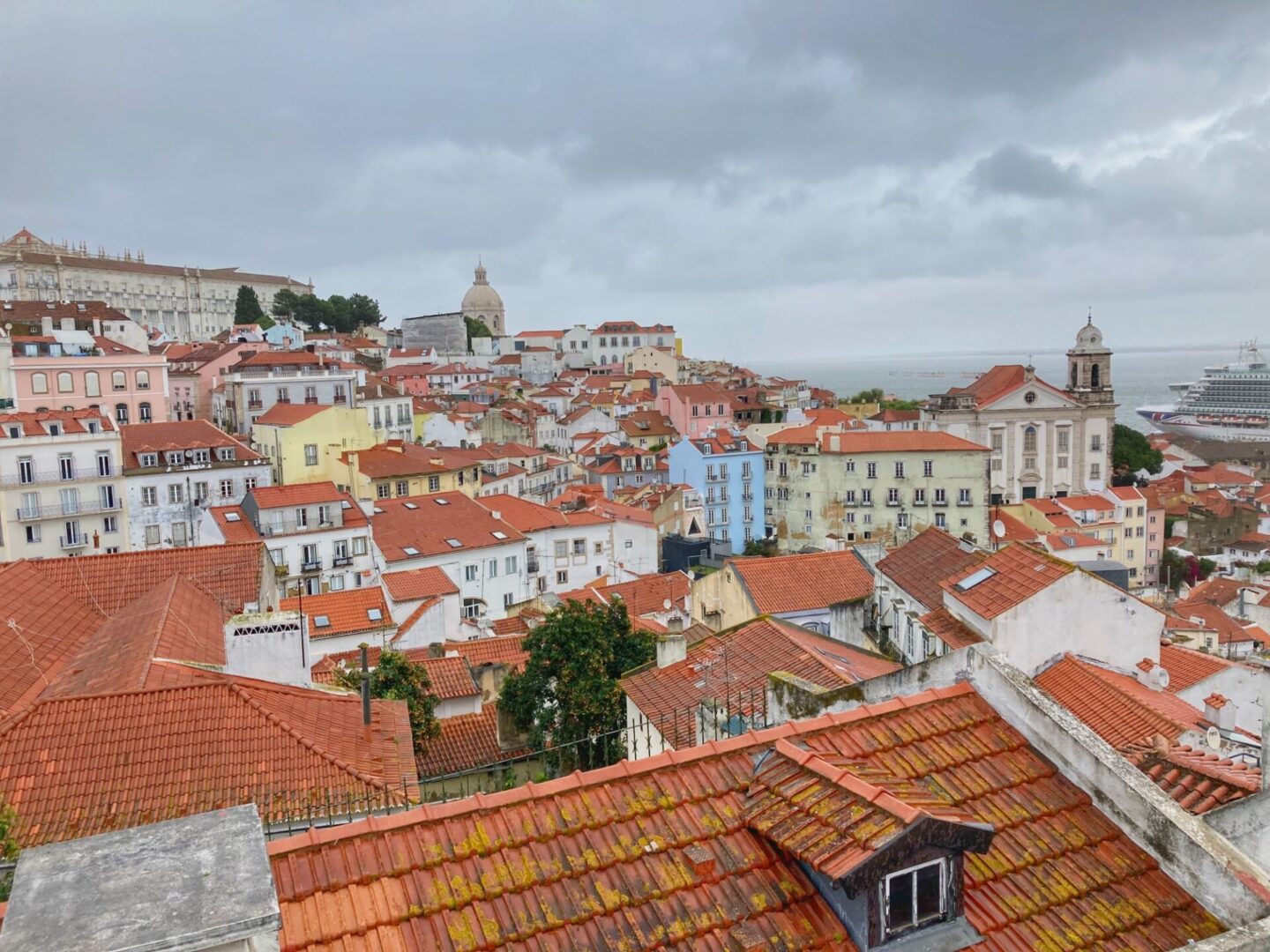
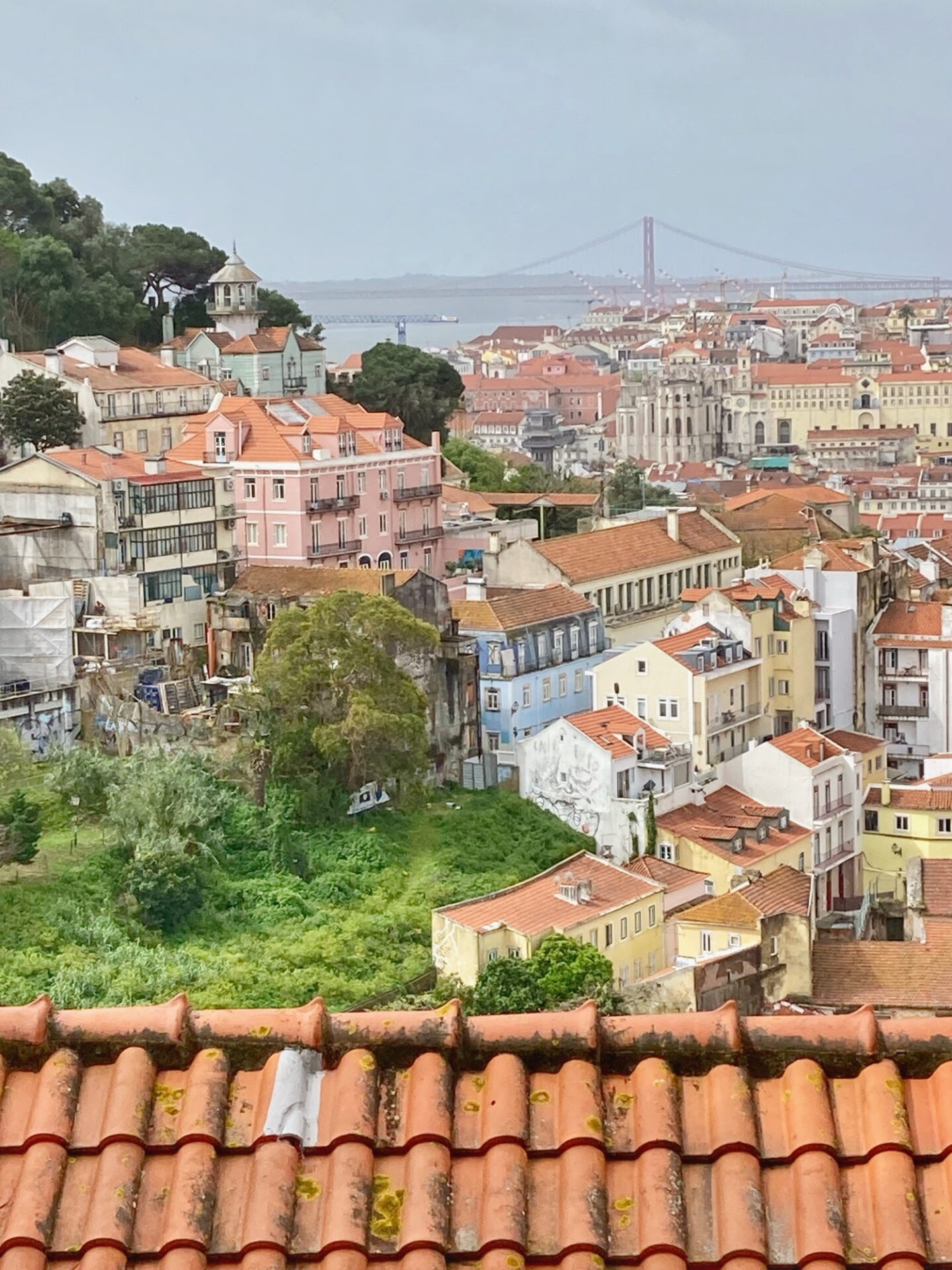
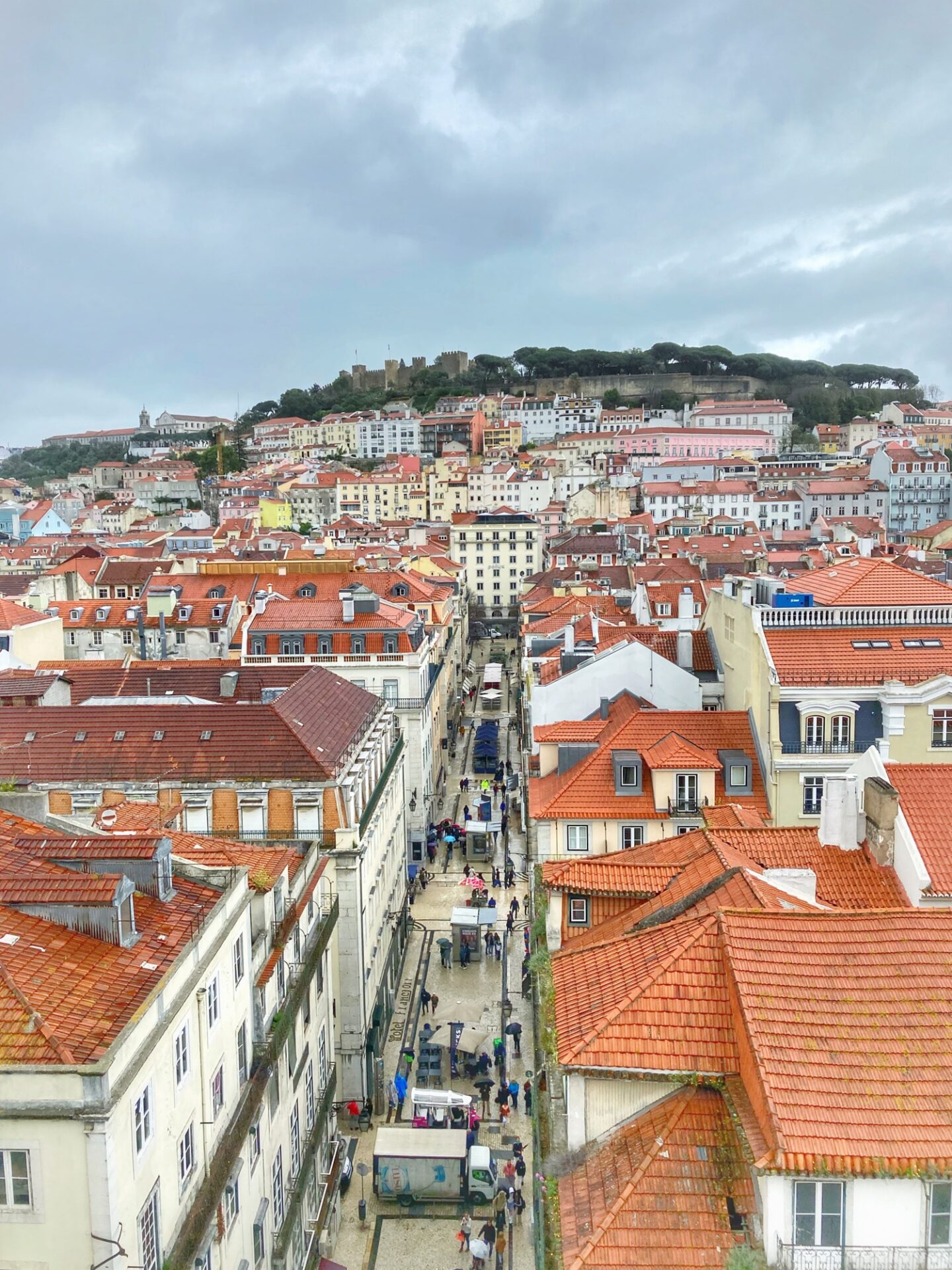
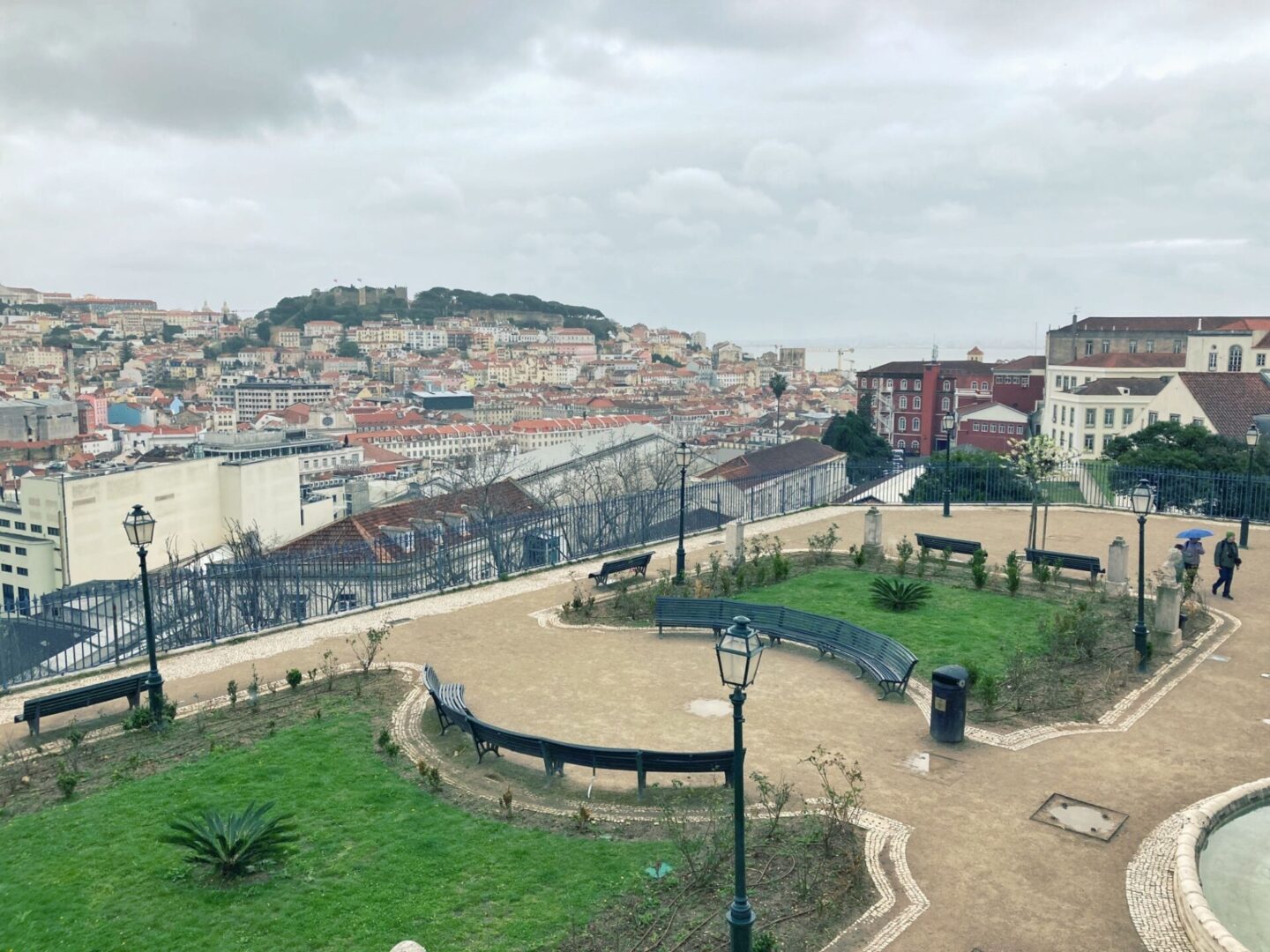
There are viewpoints all over the city which are perfect spots for admiring the city from above. If you’re going to huff and puff up those hills then you might as well have a little treat at the top. Many have shaded seated areas, others have a coffee shop or bar. Locals gather to spend time with friends and family; tourists gather to collect precious travel memories.
You can also get a birds-eye perspective of Lisbon from the summit of the Arco da Rua Augusta. It’s free with the Lisboa Card or €3,50 without. The arch is home to a small exhibition that delves into the recovery of the city post-earthquake, the arch itself symbolises Lisbon’s rebirth and resilience. The Arco Rus do Augusta is on Praça do Comércio, a large elegant square located in the Baixa-Chiado neighbourhood. At its centre is a statue of King Jose I on horseback.
Pre-book your Rua Augusta Arch admission ticket here: https://gyg.me/Eqpe77k9 from £3pp. The last entry is 7pm.
7. Explore Lisbon by foot
Walking around Lisbon is the best way to get to know the city, although it’s very tempting to take public transport and avoid those hills! Walking is the perfect way to burn off the calories from all those pasteis de nata. The best neighbourhoods to explore are Alfama and Bairro Alto; these are the most charming areas, with plenty of side streets and alleyways to lose yourself in. To step away from the hustle and bustle of the city, you can stroll along the riverfront, all the way to Belém if you have the energy!
One of the best ways to see a city is on a free walking tour. We took this one https://www.neweuropetours.eu/sandemans-tours/lisbon/free-tour-of-lisbon/ with Sandemans New Europe, starting and ending at Praça Luís de Camões. It’s a great opportunity to learn more about Lisbon’s history and culture – there’s plenty on that earthquake! – and get some insider tips for the rest of our stay. Although the tours are technically free, please don’t forget to tip at the end. Sandemans actually offer walking tours in lots of cities.
Your explorations will probably bring you to Praça da Rossio (or Rossio Square) – a popular gathering spot for locals and tourists alike. The city’s Rossio train station is here, and there are plenty of cafes and bars to grab a coffee. Be sure to look down at the floor: there’s a dizzying mosaic pattern alternating light and dark tiles. Looking down over the square is a status of King Pedro IV, the first emperor of Brazil. Praça da Rossio and neighbouring Praça da Figueira are great transport hubs, particularly for the excellent bus network.
8. Sample ginjinha
All over Lisbon you’ll find bars offering shots of ginjinha, a popular liqueur made from sour cherries. It’s served with or without ca cherry, and sometimes in a chocolate cup. It’s a bit like one of those chocolate liqueuers you get at Christmas. A Ginjinha is the oldest purveyor of ginjinha in the city, and unsurprisingly one of the most popular spots in Lisbon. Other recommended spots are Ginjinha Sem Rival, Ginja de Alfama or Ginja de Obidos at Time Out Market. It’s definitely a drink for sipping, not knocking back!
Ginjinha tip: If you don’t want the sour cherry, request your ginjinha “sem elas”. You’ll probably also want a tissue or some sort of wet wipe – drinking ginjinha can be a sticky experience!

9. See a Fado Show
Fado originated in Portugal in the 1820s and features lots of laments about broken hearts and lost love. This is the Portuguese concept of saudade – a longing for something lost or not yet attained. Soulful and melancholic, it originated in the songs of sailors and fishermen.
There are a lot of touristy shows, but – as with flamenco in Seville – you can find a more authentic experience if you know where to look. Lisbon has a fado museum where you can learn more about the relationship between Fado and Portuguese society. It also houses a vast collection of musical instruments. The best tip I received was that the best fado happens late at night. Most fadistas at the tourist shows head to the bars of Bairro Alto and Alfama afterwards.
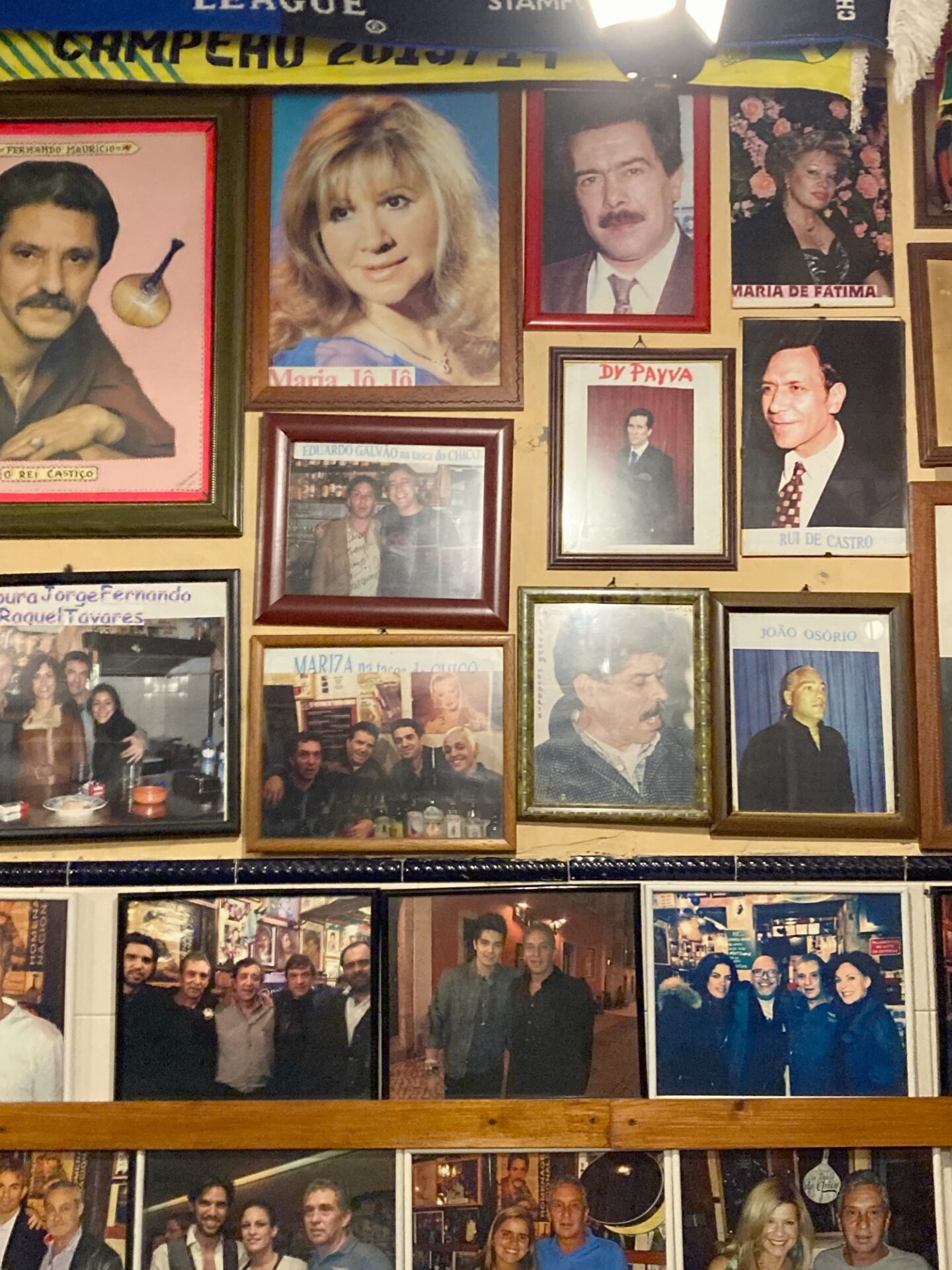
We ended up at the hugely popular Tasca do Chico in Bairro Alto. There may be a line to get in, but with fado sets every 30 minutes, the queue moves quickly. You may well find that the doorman is also your singer for the evening. We were seated at a table with a Brazilian woman visiting solo, and a Portuguese man who shyly admitted he was an amateur fadista. Entrance and entertainment are free of charge but you’re expected to purchase at least one drink. I highly recommend the house red wine.
10. Take a street art tour
Lisbon has a fascinating collection of street art, and is home to amazing street artists including Arthur Bordalo (Bordalo II) and Vhils. The best places to find street art within the city centre are LX Factory, Alcantara, Alfama, Mouraria and Graca. We sought out the famous Caracol da Graca staircase of art – only to find that it had recently been whitewashed.
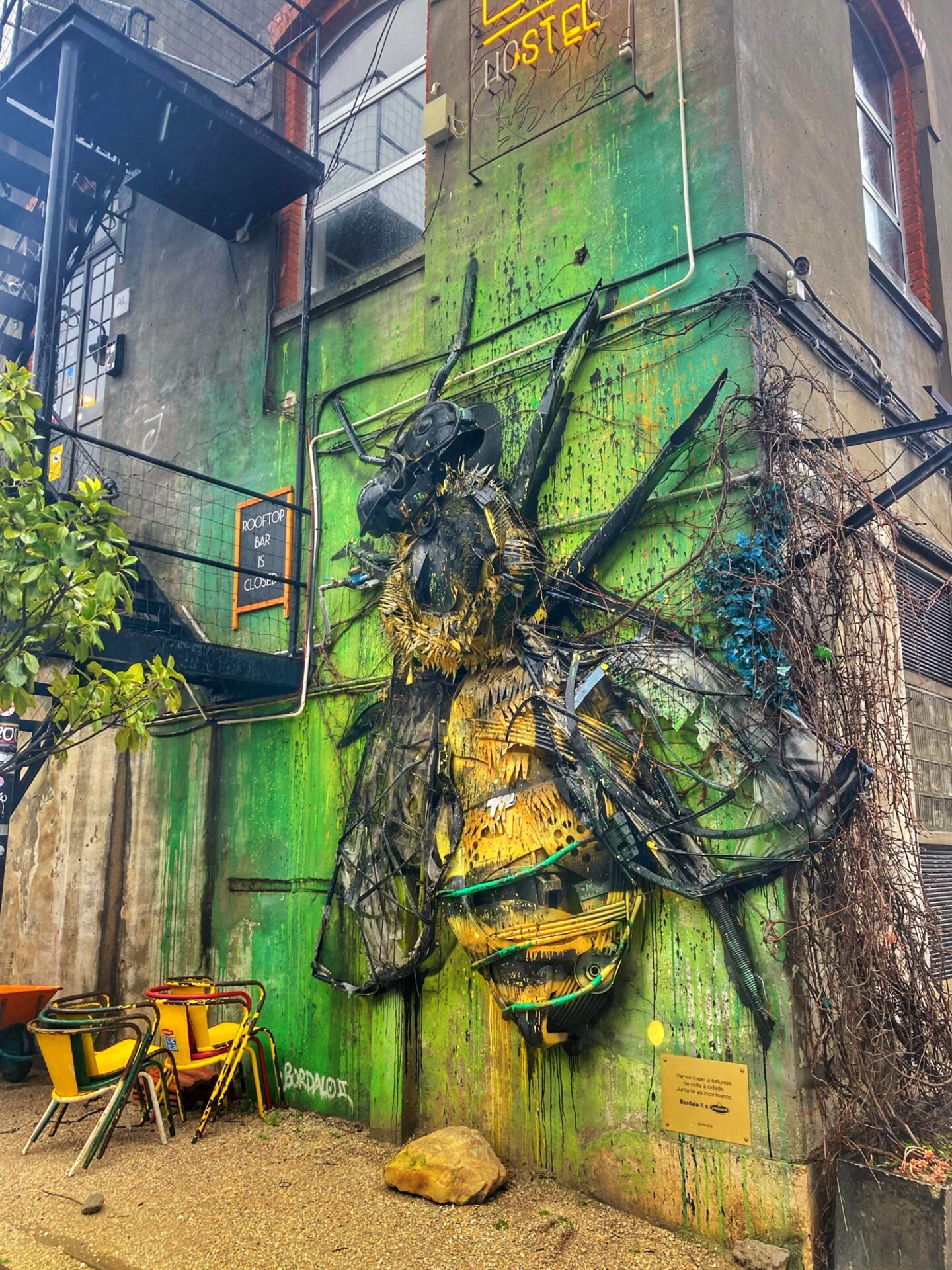
Bordalo II creates large mural pieces from discarded objects, creating “artivist” works. Highlighting a materialistic society, he uses rubbish to depict animals whose habitats are at risk from the destructive habits of humans. You can find Bordalo II’s work all over the city. There’s even a piece right next to the Santa Justa Elevator. We spotted his iconic Bee at the LX Factory.

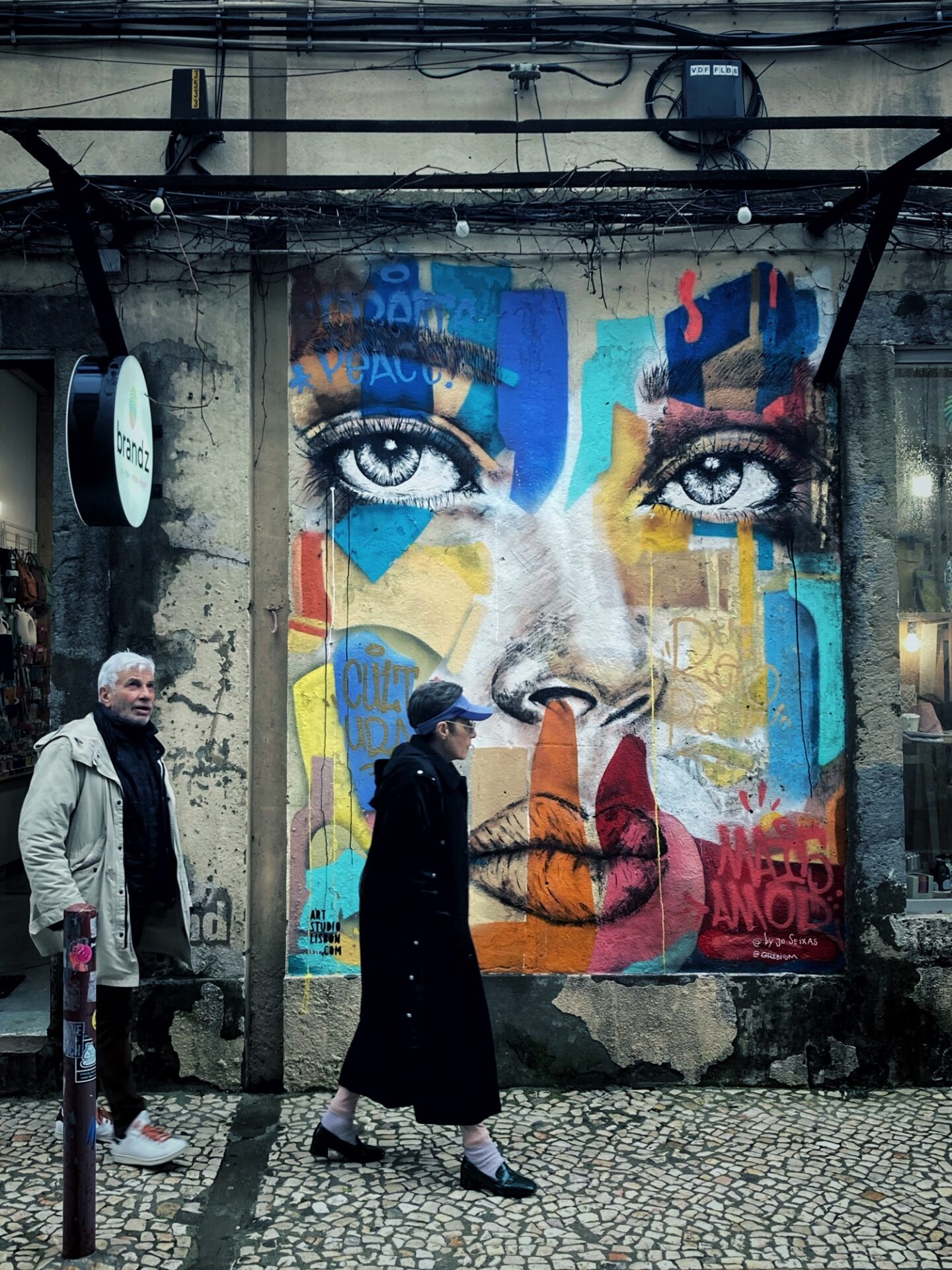
If you want a more indepth history of the art and artists then Lisbon has lots of street art tours to choose from. We booked this one, but sadly it was cancelled due to the torrential downpours. Make sure you book early if you want to secure your place.
11. Visit the National Pantheon and Monastery of Sao Vincente de Fora
The magnificent Baroque National Pantheon was originally built as a church in the 17th century. Numerous delays meant that construction wasn’t completed until 1966. Yep, a 400 year delay. Which spawned the Portuguese proverb “Obras de Santa Engracia,” meaning a work that never ends. Us Brits may use similar to describe the HS2 works.
It is now the serene final resting place of singers, writers and former presidents. Go up the stairs and you can view the inside of the monument from above. It’s 360 degree viewing platform has stunning panoramic views across the city – although access is weather-dependent. The National Pantheon is free with the Lisboa Card or €8 without.
If you’re visiting on a Tuesday or Saturday morning, you can also visit Feira da Ladra. Lisbon’s oldest flea market sets up in Campo de Santa Clara, right next to the National Pantheon
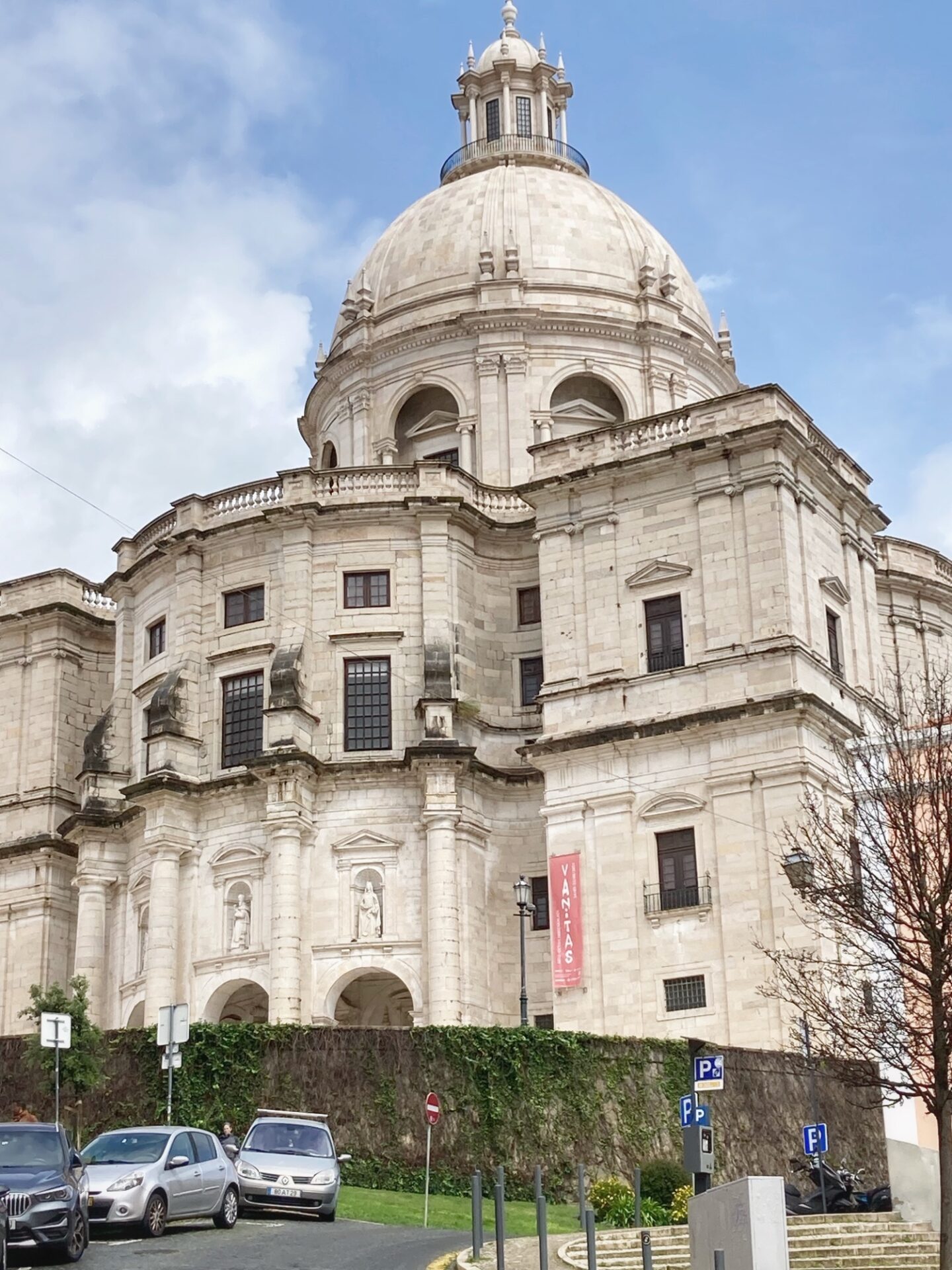
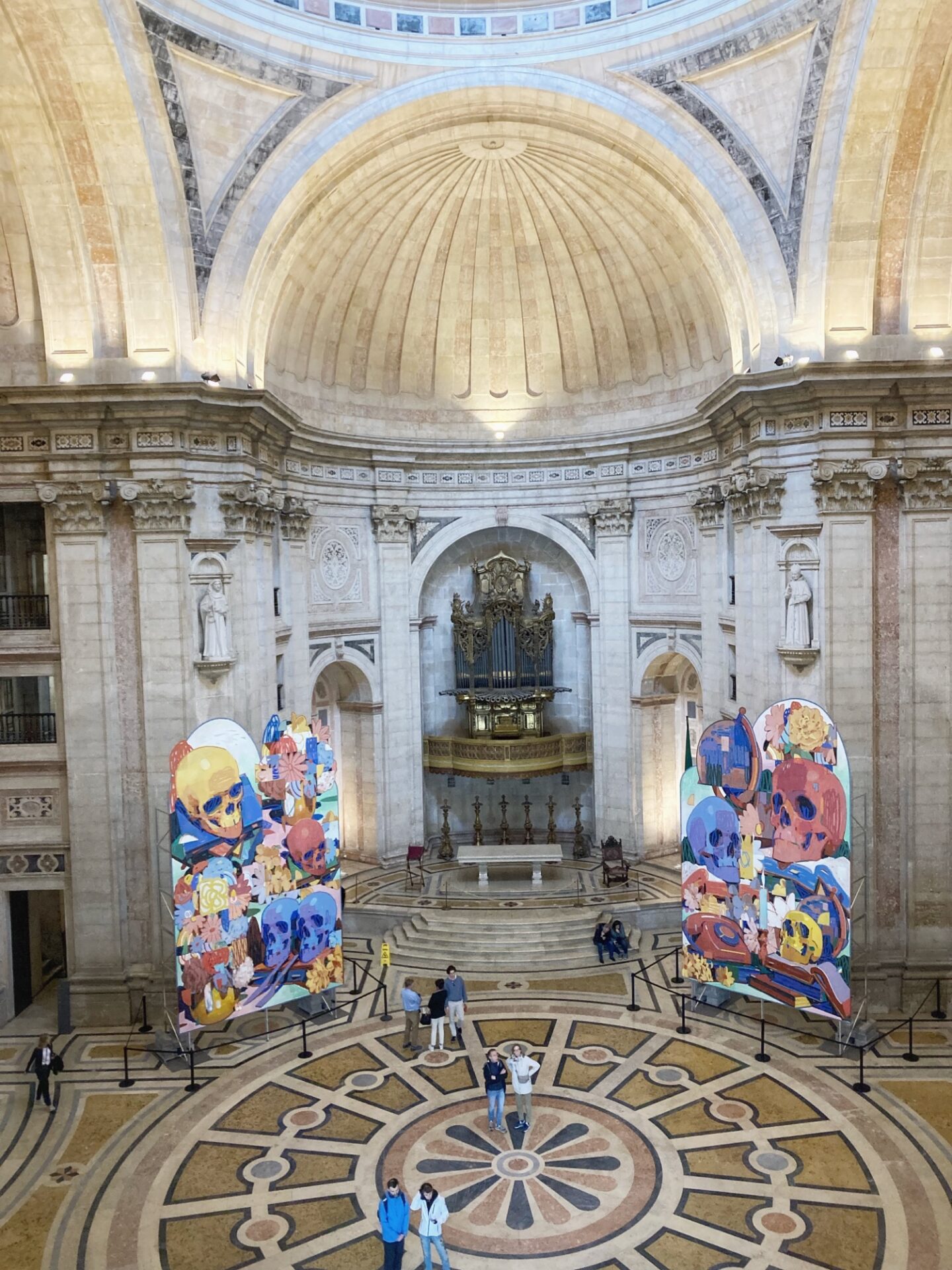
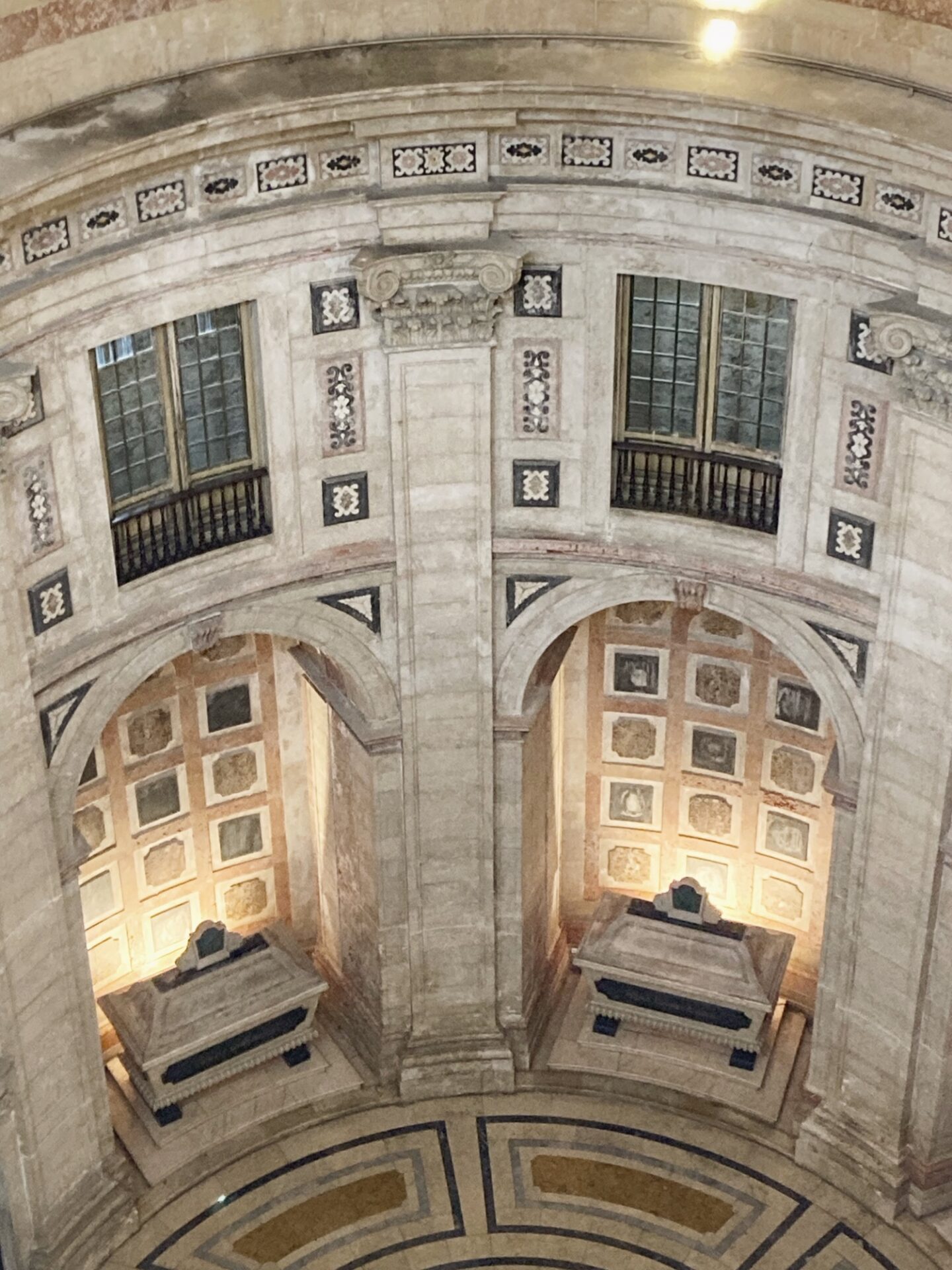
Close by, the Monastery of Sao Vincente de Fora is a beautiful building dedicated to St Vincent. It has been restored extensively over the years, particularly after suffering damage in the 1755 earthquake. It is an example of the Mannerist style of architecture, originating in Italy, and houses the pantheon of the Portuguese Braganza royal family. The Monastery has a magnificent collection of azulejos, the blue and white tiles synonymous with Portuguese art. From the rooftop of the church, there are panoramic views of Lisbon and of the church towers. Entry is €8, with a 25% discount with the Lisbon Card
12. Eat your heart out
Lisbon is a foodie destination, with a thriving food scene and multicultural cuisine reflecting its own melting pot of cultures. Cod is everywhere in Portugal and sardines are a local specialty. There are numerous stores dedicated to canned fish in beautifully decorated souvenir tins. If you’re more of a carnivore, how about a bifana – pork in a soft roll, found at the end of a very long queue at As Bifanas do Afonso.
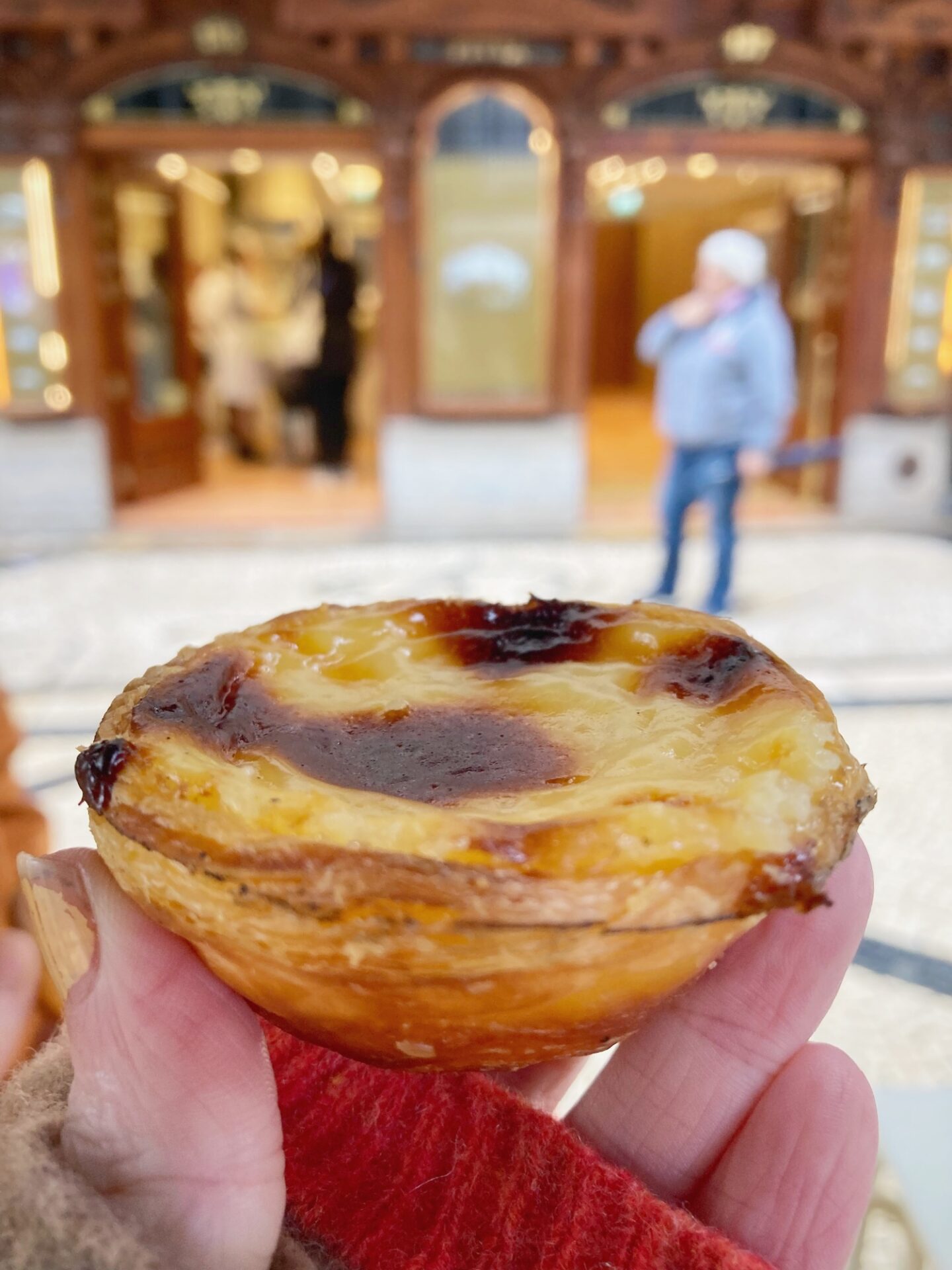
You can’t travel to Lisbon without sampling a pasteis de nata or two (or three or more). Many bakeries in Lisbon churn out these delectable egg custard tarts, but the very best can be found either at Pasteis de Belem or at Manteigaria.
Fun fact: In the 18th century, the monks at the Jerónimos Monastery starched their clothes using egg whites, and therefore used the leftover yolks to bake various desserts. And voila, the pastel de nata was born!
We’ve found food tours to be a great way of exploring a city through it’s cuisine – check out these awesome food tours from Rome and Seville. Lisbon also has plenty of food tours available, we didn’t take one this time round but these ones are highly recommended:
Lisbon’s famous Time Out Market is a high-end food court in Cais do Sodre waterfront district – similar to Mercado Lonja del Barranco in Seville. Many of the city’s top restaurants have counters here so you can sample gourmet dining without the gourmet price tag. Choose from any of the restaurants, grab yourself a drink at one of the bars and join other diners at one of the communal tables.
You can also find excellent eating opportunities at LX Factory. This old textile factory has been converted into a buzzing creative hub. There are art studios, speciality stores selling handicrafts – often with the makers creating their wares within – and lots of cool eateries. On Sundays there is an open air flea market. LX factory can be found on the #15 Tram Route en route to Belem (get off at Calvario or Estacao Sto Amaro) or by bus on the #714/#732/#751/#760 bus routes. The LX Factory is open from 9am to 10:30pm every day.
In Lisbon, bread/olives brought out at the start of a meal are rarely complimentary. If you’re happy to pay (usually €2-€3) then go ahead and accept, but you can refuse and the waiter will take them away.
13. Bookworms unite
Lisbon has the world’s oldest bookstore – Bertrand Livraria in Chiado. Founded by two French brothers in 1732, it amazingly survived the fire, earthquake and tsunami of 1755. A Guinness World Record certificate on the door is the only thing to announce its historic status. It’s exterior is startingly pretty, with the original blue and white tiles. If you purchase a book you can get it stamped stating that it was bought at the world’s oldest bookstore. I particularly enjoyed spotting familiar book covers and titles in Portuguese.
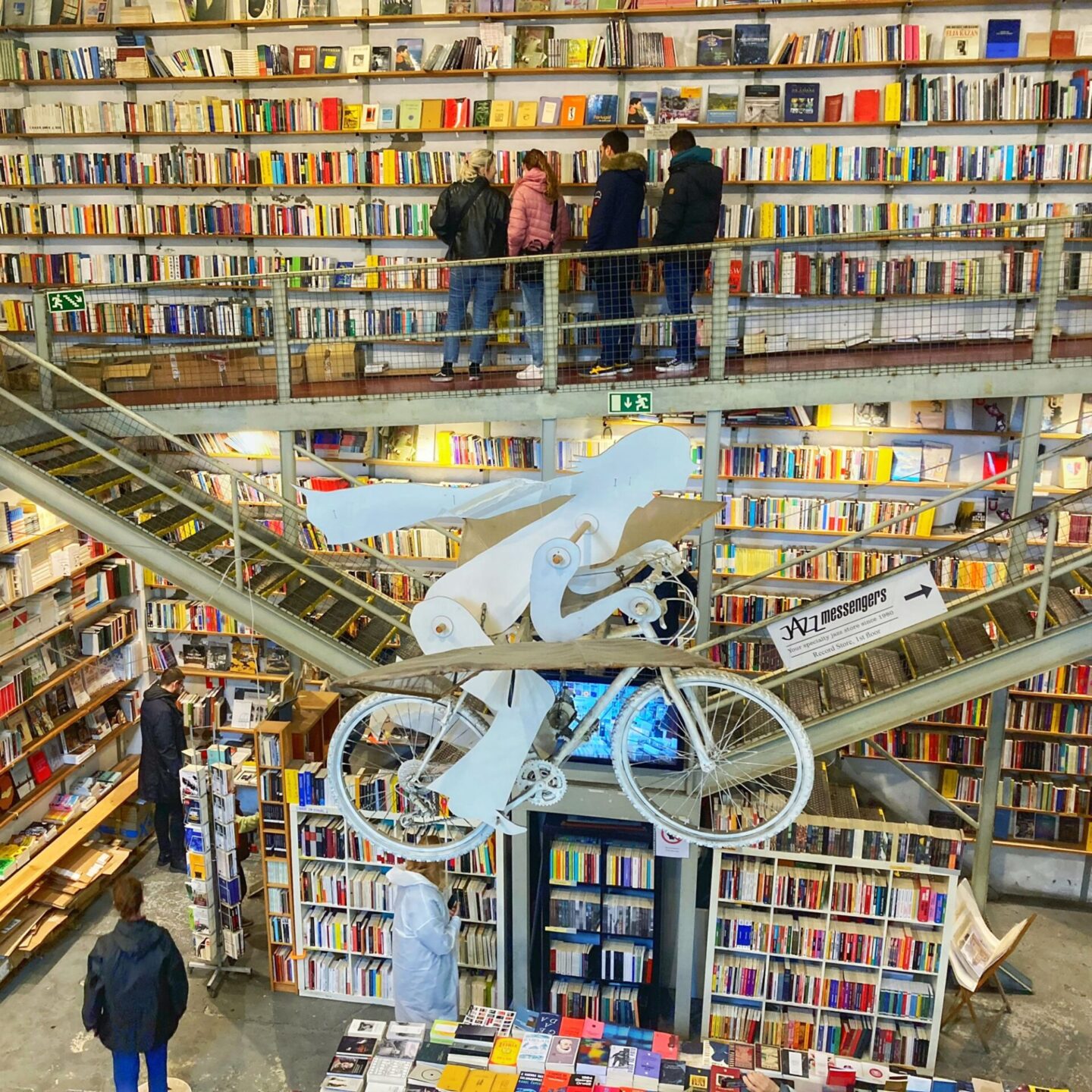
My favourite bookstore was Livaria Ler Devagar (“Read Slowly”) at LX Factory. Thousands of books line every wall whilst sculptures such as the famous flying bicycle soar above. Livraria Ler Devagar is the perfect place to have a coffee, read a book, meet friends and be inspired.
Things to see and do in Lisbon
This is just a tiny fraction of the amazing things you can see and do in Lisbon. We arrived armed with a packed itinerary, knowing we wouldn’t be able to see it all in 48 hours. And then the bad weather scuppered some of the plans we did have. After all, finding shelter in a bar became our No 1 priority.
So hopefully on our next visit we will make it to Belem, to the National Tile Museum and book onto a food tour, as well as taking a trip out to Sintra!
I try my hardest to keep the information in this travel guide up to date; however if you notice anything has changed please let me know! Happy travels, Emmalene



Loved this guide! Lisbon has been on my bucket list for a while, and your recommendations make me want to book a trip right away. The tips on hidden gems and viewpoints are super helpful!
Read Our Blog – Things To Do in Lisbon
Thank you Hazel, Lisbon is a wonderful place to visit and revisit!